From 1 July 2026, NDIS record keeping became even more important. New rules require providers to retain payment records for seven years, while registration requirements have expanded for many providers. If your organisation was ever asked to explain how a service was delivered, would you have enough evidence to support your invoice? For many providers, the answer isn’t just in case notes. It’s also hidden inside phone calls, SMS messages, voicemail and appointment confirmations.
The National Disability Insurance Scheme relies on trust, accountability and accurate documentation. Although communication records alone don’t satisfy every compliance obligation, they can help build a clear timeline of participant interactions and support the records that providers already maintain.
Why NDIS record keeping matters more than ever
Every NDIS provider understands the importance of documenting participant supports. However, recent legislative changes have placed an even greater emphasis on retaining payment records for seven years. Organisations that cannot produce appropriate records may face significant regulatory consequences.
The question isn’t simply whether you kept an invoice.
Instead, ask yourself:
- Can you show when appointments were arranged?
- Can you demonstrate communication with participants?
- Can you explain changes to scheduled visits?
- Can you verify who contacted whom and when?
- Can you quickly retrieve those records years later?
Many providers already possess this information. Unfortunately, it often sits across personal mobile phones, handwritten notes, email inboxes and multiple software platforms.
Finding it during an audit can become a major challenge.
Communications are often forgotten evidence
Imagine a participant requests a later pickup time.
The support worker receives a phone call while driving between appointments. Later, the participant sends an SMS confirming the new time. The visit proceeds successfully and the service is invoiced.
Eighteen months later, questions arise about the appointment.
The invoice still exists.
But what about the communication that explains why the service occurred differently from the original schedule?
While communication records don’t replace mandatory participant documentation, they can help demonstrate the sequence of events surrounding service delivery.
That includes:
- incoming and outgoing business calls
- shared SMS conversations
- voicemail messages
- call timestamps
- call recordings where lawful and appropriately disclosed
- CRM notes linked to communications
Together, these records can create a stronger operational history that supports your existing documentation.
NDIS record keeping should include communication workflows
Many providers focus heavily on financial systems while overlooking communication systems.
Yet staff often spend hours every day speaking with participants, families, coordinators, therapists and support workers.
Those conversations frequently explain why appointments changed, why additional support was required or why services were rescheduled.
If those interactions occur on personal mobiles, valuable organisational knowledge disappears whenever an employee leaves.
A business communication platform keeps those records with the organisation rather than the individual.
Building an audit trail without creating extra work
Good compliance shouldn’t mean more administration.
The best systems capture information naturally as staff perform their normal work.
Consider a typical participant journey.
- A participant phones reception.
- The call is answered through the business phone system.
- An appointment confirmation SMS is sent.
- The participant calls again requesting a change.
- The revised appointment is updated inside the CRM.
- Staff complete the support visit.
- Notes are added to the participant record.
Instead of relying on memory, each interaction contributes to a chronological history.
If questions arise later, staff can retrieve the timeline quickly rather than searching through personal phones or scattered messages.
This approach also improves customer service. New employees can understand previous conversations without asking participants to repeat information.
Why personal mobile phones create unnecessary risk
Many disability providers still rely on staff using their own mobile phones.
It seems convenient.
However, it creates several operational risks.
- Business conversations become difficult to retrieve.
- SMS history remains on personal devices.
- Phone numbers leave with employees.
- Managers have limited visibility.
- Participant communication becomes fragmented.
Even without considering compliance, this makes continuity of care more difficult.
Participants should feel connected to the organisation, not to an individual employee’s personal phone.
How technology can strengthen NDIS record keeping
Good record keeping starts with good processes. However, the right technology can make those processes far easier to follow.
A modern cloud phone system centralises business communications. Instead of calls and messages being spread across personal devices, they remain with the organisation where authorised staff can access them when needed.
For many NDIS providers, this delivers benefits well beyond compliance.
- Business phone numbers stay with the organisation.
- Shared SMS conversations remain accessible to authorised staff.
- Voicemail can be stored centrally instead of on individual phones.
- Call history provides a clear timeline of participant contact.
- Remote workers can answer calls from anywhere while using the same business number.
- CRM integration can link communications directly to participant records.
Importantly, communication records should complement, not replace, participant notes, financial records and other documentation required under the NDIS Practice Standards and associated legislation.
What an audit trail can look like
Imagine an auditor asks about an invoice submitted almost three years ago.
Instead of searching through old mobile phones or archived email accounts, your team retrieves a complete timeline:
- Appointment booked by reception.
- Confirmation SMS sent automatically.
- Participant called to reschedule.
- Updated appointment recorded in the CRM.
- Support worker completed the visit.
- Case notes finalised.
- Invoice generated.
Each individual record tells only part of the story. Together they provide context that helps explain what occurred and when.
More importantly, staff can find the information in minutes instead of hours.
A practical checklist for providers
You don’t need to overhaul your entire business overnight. Instead, start by asking a few practical questions.
- Do staff use personal phones for participant communication?
- Can business SMS conversations be retrieved centrally?
- Are phone numbers owned by the organisation?
- Can authorised managers access communication history if an employee leaves?
- Does your CRM link participant interactions together?
- Can records be located several years after they were created?
- Are staff trained on your organisation’s record retention policies?
If you answered “no” to several of these questions, there may be opportunities to improve both efficiency and governance.
Supporting better evidence through better communications
The new seven-year record retention requirement is a timely reminder that good documentation protects everyone. It supports participants, strengthens provider accountability and helps organisations respond confidently when information is requested.
While communication records are only one part of the overall picture, they often provide valuable context that explains how services were delivered and how participant interactions unfolded.
That is why many providers are replacing fragmented mobile phones with integrated cloud communications that keep business conversations where they belong—with the business.
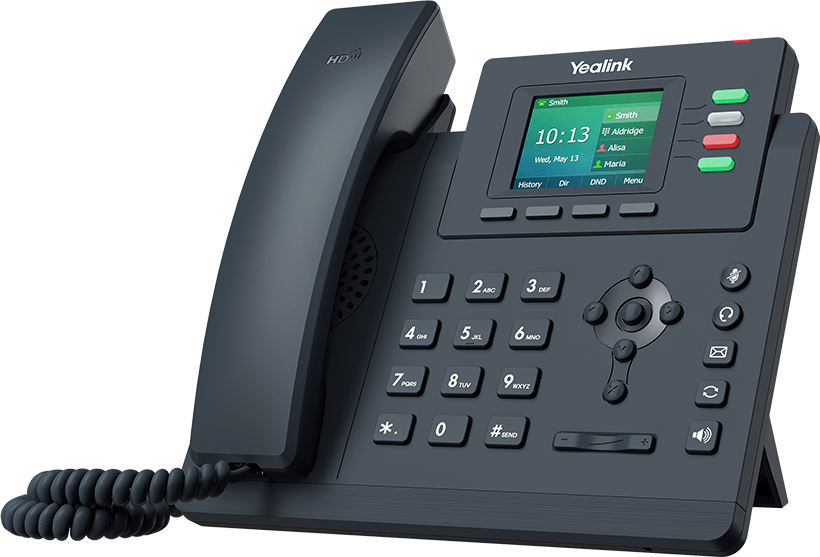
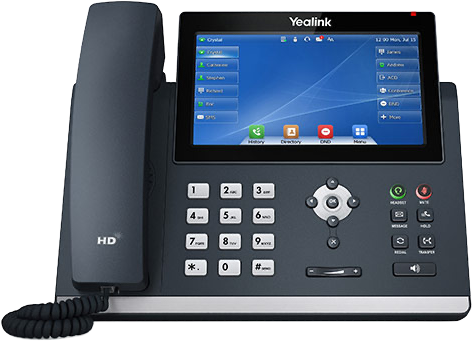
SIPcity’s Hosted Phone System helps NDIS providers centralise business calls, shared SMS, voicemail and communication history across office staff, remote workers and support teams. Combined with your existing participant management systems, it creates a more complete operational record while improving customer service and protecting organisational knowledge.
If you’d like to learn how SIPcity can help your organisation simplify communications and support better operational record keeping, contact our team today.
For an overview of how SIPcity builds phone systems for NDIS and care providers, see our NDIS provider phone system page.