Participant communication should not depend on who has the phone.
Growth adds staff, shifts, locations and handovers. Personal mobiles turn that complexity into missing context, inconsistent follow-up and avoidable risk.
Participant history lives on personal mobiles
Important calls and messages become inaccessible when a worker is unavailable, changes roles or leaves the organisation.
After-hours calls lose context
The next shift starts with a voicemail, a phone number and no clear record of what the participant already explained.
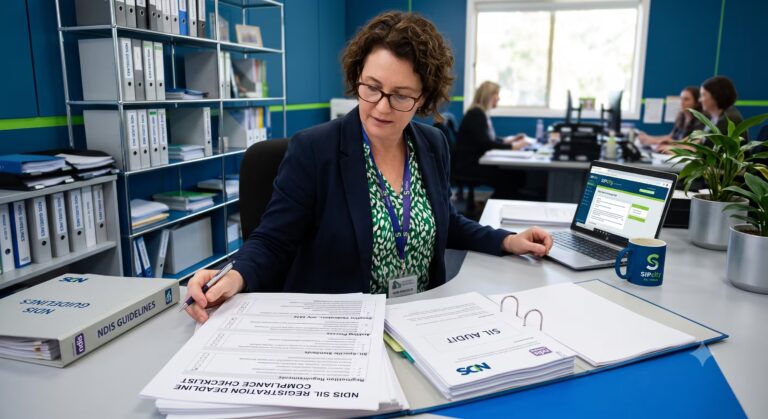
Audit preparation becomes detective work
Teams search across devices, inboxes and handwritten notes to reconstruct a basic communication timeline.
The real risk isn’t a missed call. It’s a missed call with no owner, no context and no next step.
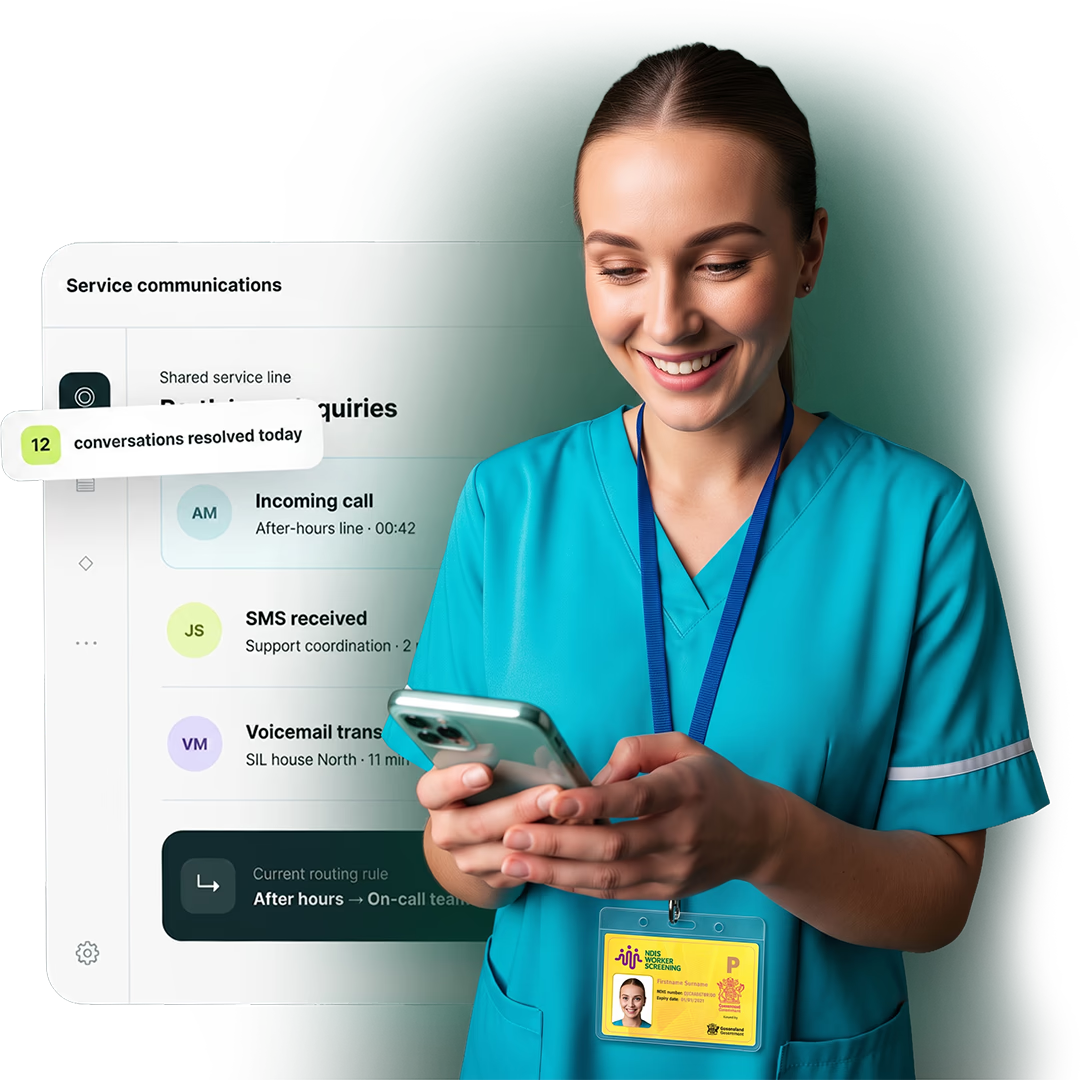
SIPcity brings calls, SMS and voicemail into a shared communication flow. Your rules determine where each enquiry goes, while the conversation history remains available to the authorised team.
One service number
Rules route each enquiry
Context stays with the organisation
The Participant journey
A simple experience at the front. Smart routing behind it.
Participants use one familiar number. Your team controls what happens next.
Different teams. One adaptable communications foundation.
Whether you run SIL homes, coordinate supports or deliver community-based services, SIPcity adapts to how calls, messages and follow-ups move through your team.
Supported Independent LivingKeep house and on-call communications connected
Create clear routing for each house, shared after-hours coverage and consistent handover paths.
Support CoordinationContinue conversations across busy caseloads
Give coordinators shared visibility of calls and messages while maintaining clear ownership of follow-up.
Allied Health & Community CareProtect appointment and referral continuity
Route enquiries to the right discipline or location and keep the practice number separate from personal phones.
Governance without the theatre
Better communication records support compliance. They don’t magically create it.
Your policies still determine access, recording, consent, retention and what belongs in a participant record. SIPcity gives your team a more controllable communication layer.
What the solution can support
Organisation-owned numbers and permissions
Searchable call, SMS and voicemail history
Consistent routing and escalation rules
Recording controls where appropriate
Clearer handover between authorised staff
Questions before switching
Clear answers for the buying team.
Get practical answers about keeping your numbers, configuring call flows, connecting existing systems and using call recording appropriately.
Can we keep our existing phone numbers?
In most cases, existing Australian business numbers can be ported. SIPcity can review your current services and confirm the porting path before a change is scheduled.
Can different houses or teams have different call flows?
Yes. Routing can be designed around locations, service teams, opening hours, rosters and escalation paths while keeping administration centralised.
Does this replace our CRM or participant management platform?
No. The phone system manages communication channels and their operational history. Your CRM or participant platform remains the system for case management and formal participant records.
Can we use call recording?
The platform can support call recording, but your organisation must decide when recording is lawful and appropriate, how consent or disclosure is handled, and how recordings are retained and accessed.
Start with the communications you need now. Add capability when the workflow earns it.
Compare calling, collaboration and AI-enabled plans with straightforward monthly pricing.