When the COVID-19 pandemic arrived in 2020, working from home shifted almost overnight from an occasional perk to an everyday reality for millions of people. Australian organisations rapidly adopted new ways of managing teams, serving customers and communicating beyond the traditional office.
Six years later, remote work is no longer an emergency measure. It has evolved into a more deliberate mix of remote, office-based and hybrid arrangements. According to the Australian Bureau of Statistics, 36% of employed Australians usually worked from home in August 2025. Among managers and professionals, that figure reached 59%.
For leaders, the challenge in 2026 is not simply enabling people to work from home. It is creating a flexible environment in which employees can communicate clearly, remain connected and perform at their best, wherever they happen to be working.
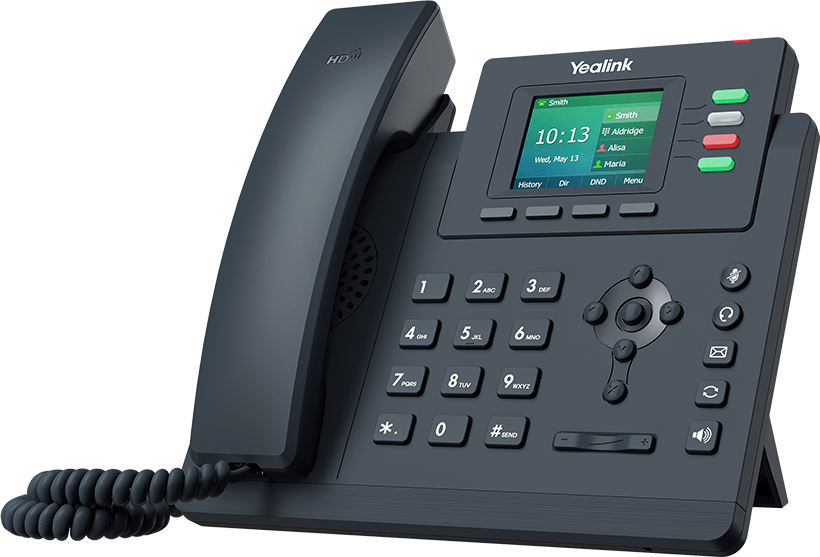
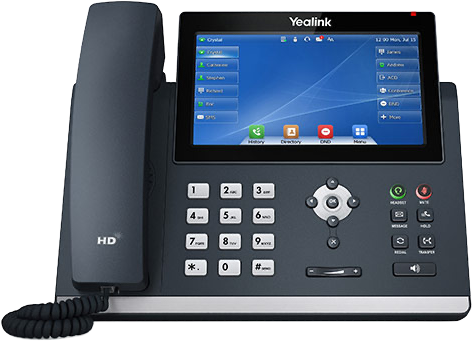
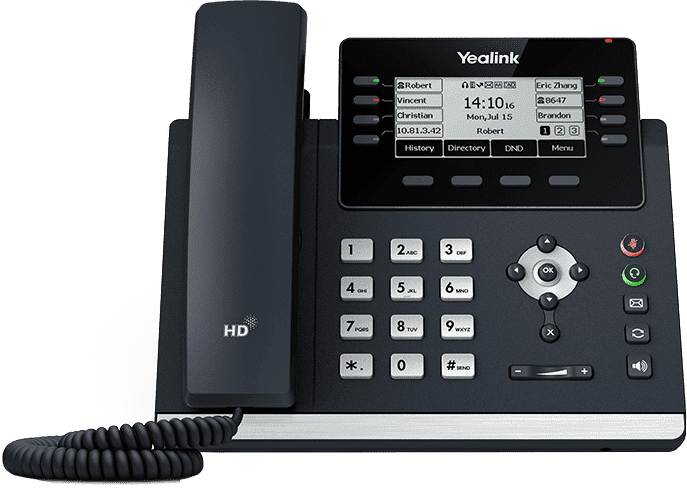
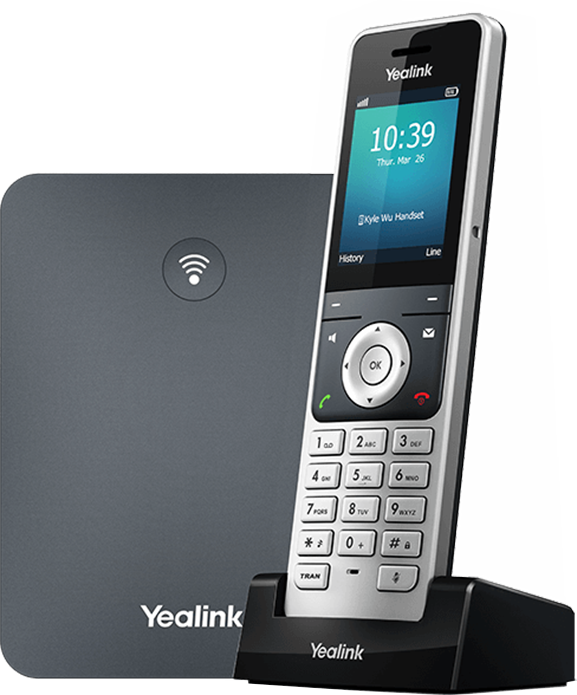
Reliable technology remains central to that experience. A VoIP business phone system allows employees to make and receive business calls from different locations while maintaining a consistent professional presence. Similarly, cloud-based fax helps teams securely send and receive documents without relying on a physical fax machine in the office.
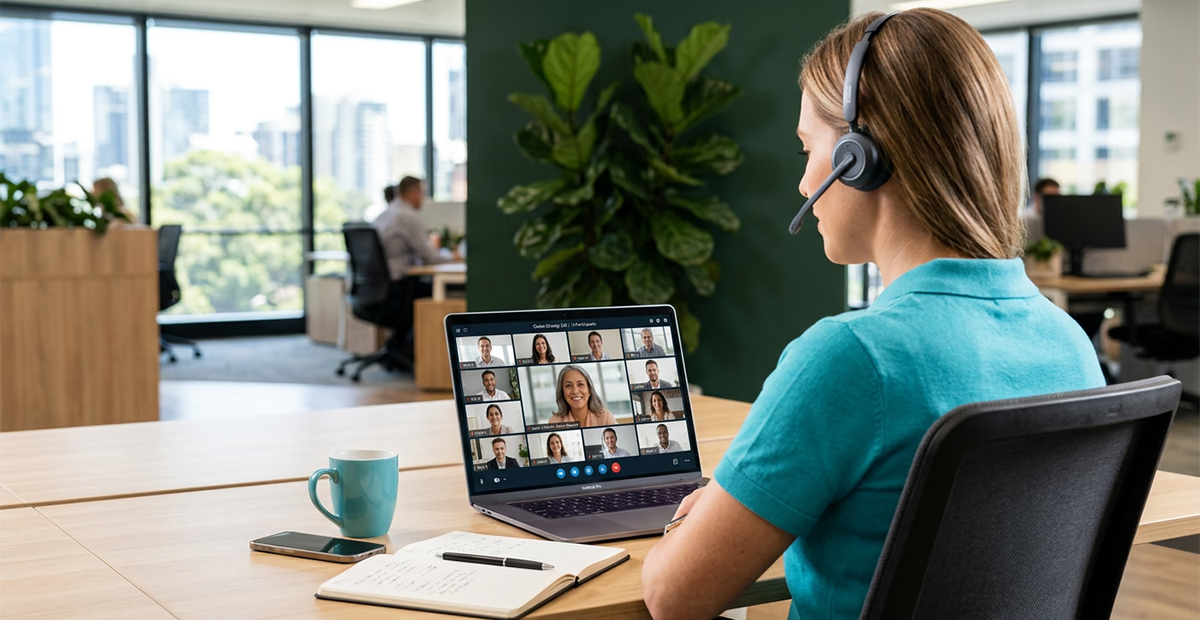
The SIPcity Desktop App brings calling and collaboration tools together in one place. Employees can use their SIPcity business numbers from their computers, message colleagues individually or in groups, share files and attachments, hold video meetings and collaborate on customer conversations through Shared SMS. It gives remote and hybrid teams a consistent way to communicate without switching between multiple platforms.
How to Motivate Remote and Hybrid Teams
Technology provides the connection, but effective leadership determines how well a distributed team works together. Here are some practical ways to keep remote and hybrid employees motivated.
- Check in regularly without filling every day with meetings. Remote employees should not feel isolated or unsure about where they stand. Schedule consistent one-to-one conversations and team catch-ups using voice or video calls. The SIPcity Desktop App also makes it easy to move from a quick team message to a call or video meeting when a conversation needs more attention.
- Set clear expectations and focus on outcomes. Employees work more confidently when they understand their responsibilities, priorities and deadlines. Agree on how the team will communicate, when people should be available and which channels should be used for urgent and non-urgent matters. Measure performance by meaningful outcomes rather than online status or time spent at a desk.
- Offer genuine flexibility. Flexibility is one of the main reasons Australians choose to work from home. Where the role permits it, give employees some control over how they organise their day while ensuring customers and colleagues receive the support they need. Trust and autonomy can help people manage commuting, caring responsibilities and focused work more effectively.
- Recognise achievements. Good work can be less visible when employees are not sharing the same office. Make recognition intentional by acknowledging individual contributions, team milestones and positive customer feedback. Recognition can be shared during a call, video meeting or group conversation so the whole team can celebrate the result.
- Create opportunities for connection and development. Remote employees still need access to mentoring, learning and career progression. Arrange regular coaching, knowledge-sharing sessions and opportunities for colleagues to collaborate. Team messaging, group conversations, video meetings and file sharing can help employees exchange ideas and remain involved between in-person sessions.
- Protect employees from digital burnout. Working from home can blur the boundary between professional and personal time. The ABS found that people who usually worked from home were more likely to work overtime than those who did not. Encourage breaks, realistic workloads and clear finishing times. Australia’s right to disconnect also means employees may refuse to monitor or respond to work-related contact outside their working hours unless that refusal is unreasonable.
- Make communication accessible from anywhere. Employees should be able to answer calls, transfer enquiries and access essential communication tools whether they are at home, in the office or travelling. With the SIPcity Desktop App, staff can use their business numbers directly from their computers, while Shared SMS allows authorised team members to view and respond to customer messages through a shared Australian mobile number.
Building a Sustainable Hybrid Workplace
The pandemic accelerated remote work, but the years since have shown that flexibility works best when it is supported by clear policies, capable managers and dependable communication systems. The Productivity Commission reports that well-managed hybrid arrangements are generally neutral or slightly positive for productivity, while helping organisations attract and retain employees.
There is no single arrangement that will suit every business or role. Successful organisations listen to their people, establish practical expectations and regularly review what is working.
SIPcity’s VoIP business phone systems, cloud-based fax services and Desktop App help Australian teams stay connected across home, office and hybrid environments. By bringing business calling, messaging, video meetings, file sharing and shared customer communications together, SIPcity gives teams the tools to collaborate effectively wherever they work.