June 5 is World Environment Day, #NowForClimate, and the global theme from UNEP is Inspired by Nature. For Climate. For Our Future. Most businesses will mark it with a social post. Some will plant a tree. Very few will look at the server cabinet in the back room and ask a serious question: what happens to all that hardware when it stops working? If your business still runs an on-premise phone system, that cabinet deserves a hard look. Your cloud phone system footprint is smaller than you think. Your on-premise phone system footprint is larger than you want to admit.
Australia Has an E-Waste Problem, and Business Phones Are Part of It
Australia generated 511,000 tonnes of e-waste in 2019. It is projected to hit 657,000 tonnes by 2030, according to data cited by Clean Up Australia. We already produce more than double the global per-capita average of electronic waste. That is not a household statistic. A significant proportion of that waste comes from business technology cycles: servers, switching equipment, desk phones, cabling, and the PBX hardware that sits at the centre of traditional office phone systems.
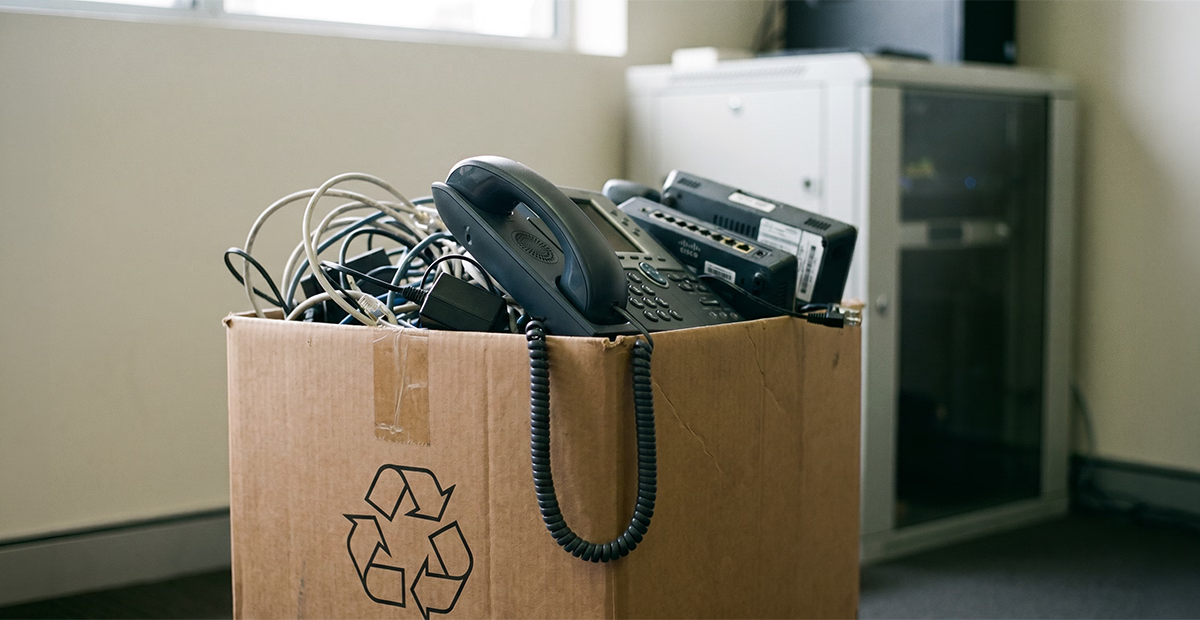
An on-premise Private Branch Exchange, or PBX, like Avaya IP Office, is a dedicated server-class piece of hardware. It runs 24 hours a day, seven days a week. It depreciates over five to seven years. When it reaches end-of-life, most businesses face a choice between expensive vendor-specific upgrades or replacement. The proprietary line cards, expansion modules, and handsets that go with it frequently cannot be repurposed. They go into the e-waste stream, often to low-efficiency recycling, the National Television and Computer Recycling Scheme (NTCRS) reports that roughly 80% of collected e-waste in most states goes through low-efficiency processing.
Now multiply that across the 2.5 million small businesses operating in Australia. The cumulative device count is not trivial.
What a Cloud Phone System Actually Eliminates
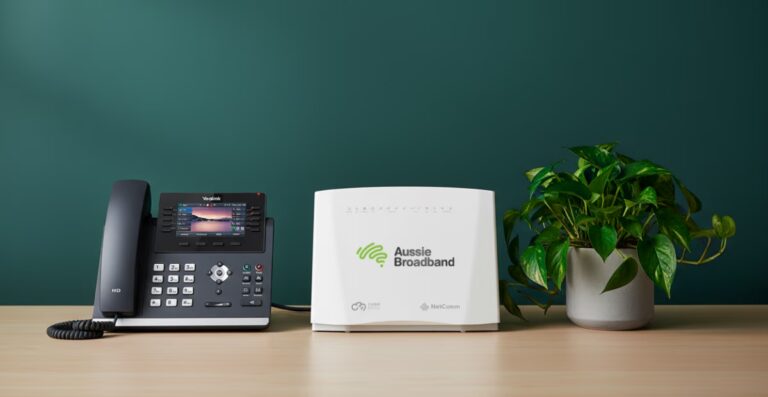
A Cloud PBX, or hosted phone system, moves the intelligence of your phone network off your premises entirely and into a data centre. You keep the handsets if you want them, or you run softphones, which are apps on existing computers and mobile devices. What you stop buying, maintaining, powering, cooling, and eventually disposing of is the server infrastructure underneath.
Here is a specific inventory of what disappears when a business moves from on-premise to a cloud phone system:
- The PBX server unit itself (server-class hardware, typically drawing 100–300 watts continuously)
- Line interface cards and trunk expansion modules
- The dedicated UPS (uninterruptible power supply) keeping the PBX running during outages
- ISDN or analogue terminal adaptors for legacy line types
- Any associated rack infrastructure if the PBX was rack-mounted
- The proprietary management workstation some older systems required
That is not one device. It is a category of devices, and every one of them has a manufacturing carbon cost, an operational energy cost, and an end-of-life disposal cost. The cloud phone system footprint removes the entire category from your premises.
The Shared Infrastructure Argument
When your phone system moves to the cloud, you are sharing compute infrastructure with hundreds or thousands of other businesses. The efficiency gain from that consolidation is real. A well-run, modern data centre operates at a power usage effectiveness (PUE) rating significantly lower than a typical server closet in a commercial tenancy, which usually has no active cooling, inconsistent power management, and no hardware refresh cycle. Your share of a data centre’s footprint is a fraction of what you ran independently.
SIPcity operates on Australian infrastructure. That matters for data sovereignty, and it also matters because Australian data centre operators are increasingly subject to the National Greenhouse and Energy Reporting (NGER) scheme, which creates accountability for energy consumption that a server in your back office will never face.
The Hidden Hardware Cycle Nobody Talks About
On-premise phone systems do not just generate waste at the end. They generate waste throughout their life. Expansion cards when you hire more staff. Replacement handsets when a model is discontinued. New cabling when you reconfigure an office. A firmware update that requires a hardware swap because the old processor cannot run it. Each of these is a procurement event, a logistics event, and eventually a disposal event. And the drive to the premises by the engineer every time a change is needed and even for minor troubleshooting.
Cloud phone systems scale in software. Adding a user is a configuration change. Changing call routing, adding a virtual number, enabling a shared SMS inbox, none of those require a technician to drive into the office, or a parts order. The cloud phone system footprint stays flat while the capability grows.
What Happens to the Handsets?
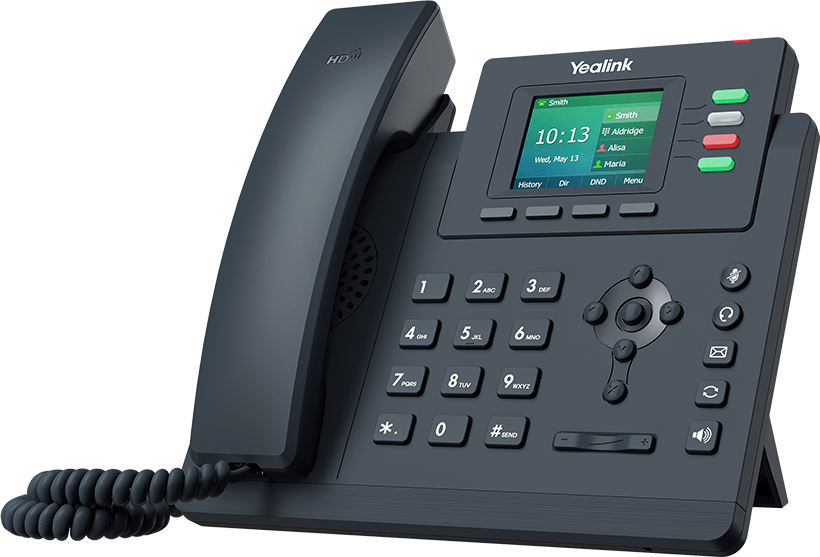
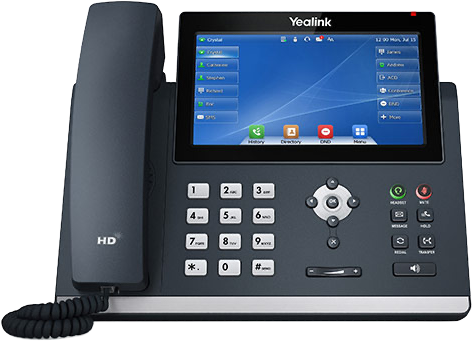
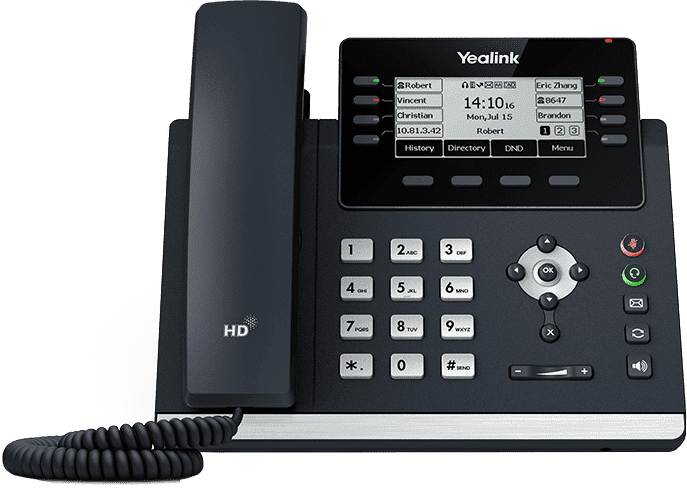
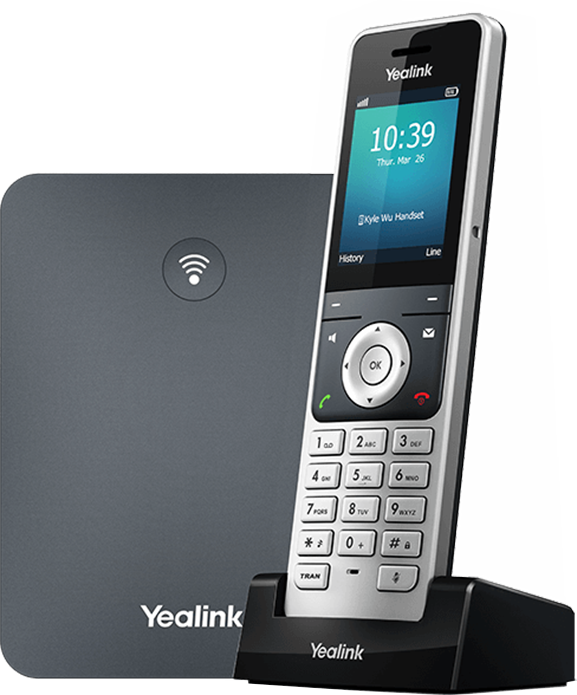
This is the honest part of the argument. Cloud PBX does not eliminate handsets entirely. If your team uses desk phones, those still exist. The difference is that standard SIP handsets from reputable manufacturers are interoperable. When you change providers, you keep the phones. When you migrate to a cloud system, existing IP handsets often come with you. The proprietary lock-in that makes on-premise hardware cycles so wasteful simply does not apply in the same way.
Many businesses moving to cloud communications find they need fewer physical handsets, not more. Staff who work across locations or from home use the softphone app on their laptop or mobile. The total device count drops. So does the cloud phone system’s hardware footprint.
World Environment Day Is a Good Day to Audit Your Infrastructure
Throughout my time in telecommunications in Australia, I’ve watched businesses run on-premise phone systems well past their sensible life, not because the hardware was working well, but because nobody had made the case for change clearly enough. The environmental argument does not usually come up in those conversations. It should.
If your business runs an on-premise PBX, today is a reasonable day to ask a few questions. How old is the hardware? What happens to it when it fails? When did you last know exactly how many devices your phone infrastructure comprises? And what would your telephony footprint look like if the server, the trunk cards, the UPS, and the expansion modules simply were not there?
The Clean Up Australia e-waste data and the ACMA’s number portability framework both point in the same direction: the devices are accumulating, and migration to cloud services is one of the levers businesses actually control.
SIPcity’s guide to modern versus legacy business telecom systems walks through what the transition actually looks like in practice. And if your numbers are tied to an NBN service, which complicates porting, our specialist porting team manages that disassociation process. It is one of the reasons we built a dedicated team for it rather than leaving it to a general support queue.
The Practical Upside Is Not Incidental
Environmental arguments land better when they align with business arguments. Here they do. Fewer devices to buy, maintain, insure, and replace. No server room power draw. No vendor callout fees when the hardware fails at 4pm on a Friday. No capital expenditure on expansion hardware when you take on new staff. The environmental benefit and the financial benefit point in the same direction.
That is not always true in sustainability decisions. In this case, it is. A cloud phone system’s smaller hardware footprint costs less to operate, not more. The businesses I have spoken with that have made the move consistently report that the decision would have been easier if someone had laid out the full lifecycle cost of their old hardware clearly, including disposal.
For more on what a hosted phone system looks like for a growing Australian business, the SIPcity guide for mid-sized businesses covers the operational detail. If you are still on the fence about AI-assisted features that come standard with modern cloud systems, the AI voice agent adoption piece is worth reading alongside this one.
World Environment Day asks businesses to act on climate signals. Replacing infrastructure that generates ongoing waste with a cloud phone system is one action that is entirely within your control, does not require a capital raise, and pays for itself in operational savings. If you want to talk through what a move to cloud communications would look like for your business, get in touch with the SIPcity team.
Related reading