Communication challenges for community providers in 2025
Community organisations deliver vital services. Yet in 2025, communication challenges for community providers make that mission harder. Clients expect faster responses. Teams are mobile. Compliance is stricter. Meanwhile, budgets are tight. This article outlines the challenges, explains why they persist, and shows practical steps to improve reliability, safety, and client trust—without adding complexity.
What’s changed in the last year
Client expectations rose again. More people use voice and messaging apps, often outside business hours. The Australian Communications and Media Authority reports continued growth in app-based calling, including among older Australians, narrowing the digital divide. This shift puts pressure on providers to answer across channels and keep records consistent.
How this affects front-line teams
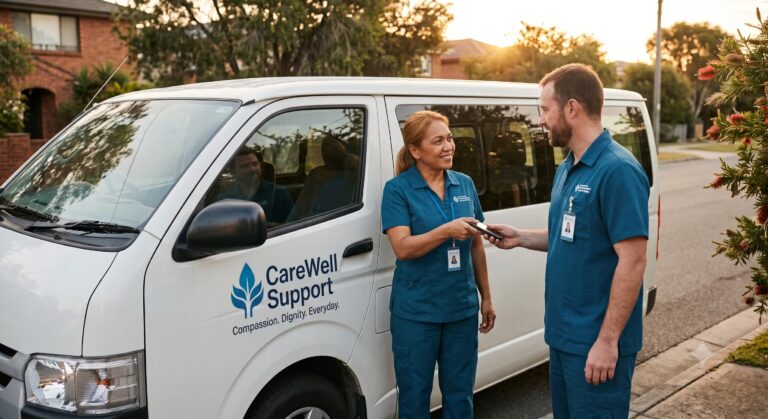
Support workers juggle calls, texts, and in-app messages while on the road. Without a single, secure system, messages scatter across personal mobiles, email inboxes, and paper notes. As a result, missed updates lead to double-booked visits, overdue follow-ups, and unhappy clients. The core issue isn’t effort; it’s fragmentation.
The top 7 communication challenges for community providers
Most organisations we speak with face similar hurdles. Addressing them in order delivers quick wins and lasting benefits.
1) Multi-channel sprawl
Phone, SMS, email, video, and in-app chat serve different needs. However, if each runs on a separate platform, staff must switch constantly. That increases handling time and the risk of missed information. A modern UCaaS approach centralises channels and gives managers visibility.
2) Mobile workforce reliability
Field teams need stable calling and secure messaging on the move. Blackspots, congested Wi-Fi, and weak handoffs cause dropouts. Redundant business internet at hubs and smart mobile routing reduce downtime and keep critical calls connected.
3) After-hours responsiveness
Families often contact providers outside business hours. If calls land on a personal phone, coverage depends on one person’s availability. A cloud queue with time-of-day routing, overflow rules, and voicemail-to-email ensures steady service and better sleep for staff.
4) Privacy, consent, and record-keeping
Client details are sensitive. Notes sent by personal SMS or stored in inboxes create risk. Providers must capture consent, keep communication logs, and restrict access to need-to-know roles. That’s easier when everything runs through one audited platform with role-based permissions.
5) Incident management and escalation
When something goes wrong, you need proof of what was said, when, and by whom. The NDIS Quality and Safeguards Commission requires registered providers to maintain a robust incident management system with defined responsibilities and documentation. Reliable call recordings, transcripts, and message histories make investigations faster and safer.
6) Regional and remote constraints
Many providers operate across regional areas where connectivity can vary. Service quality changes by town, site, and even room. Monitoring links, choosing the right access type, and planning failover keep services going when a primary link fails. That planning also protects telehealth and safety checks.
7) Change fatigue and training gaps
Tools fail when people don’t feel confident using them. Short, practical training and simple processes must accompany any new system. Adoption improves when workflows mirror the real day: shift updates, urgent messages, recurring case meetings, and incident escalation.
A pragmatic blueprint to fix the basics first
Start with reliability, then standardise channels, then automate. This sequence delivers quick benefits, reduces risk, and builds momentum.
Step 1: Stabilise connectivity
Confirm that each office, hub, or home base has business-grade connectivity with a clear failover path. If your primary NBN link fails, a 4G/5G backup keeps phones, shared SMS, and care apps online. With monitored SLAs, managers get alerts before clients notice issues. Providers that underpin communications with resilient business internet see fewer dropped calls and fewer rescheduled visits.
Step 2: Consolidate phone, messaging, and video
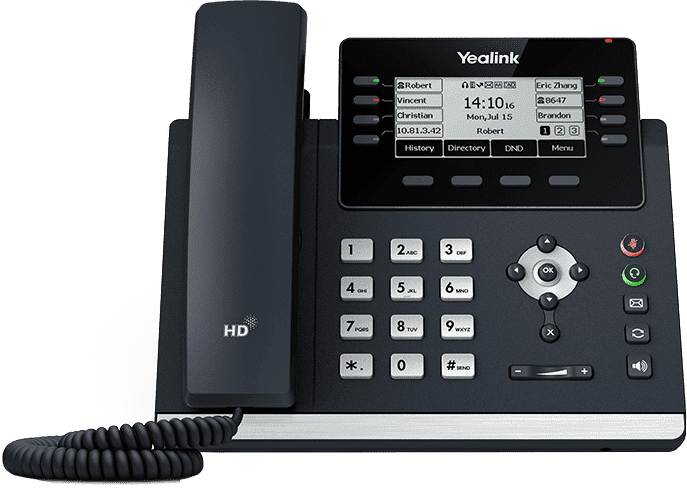
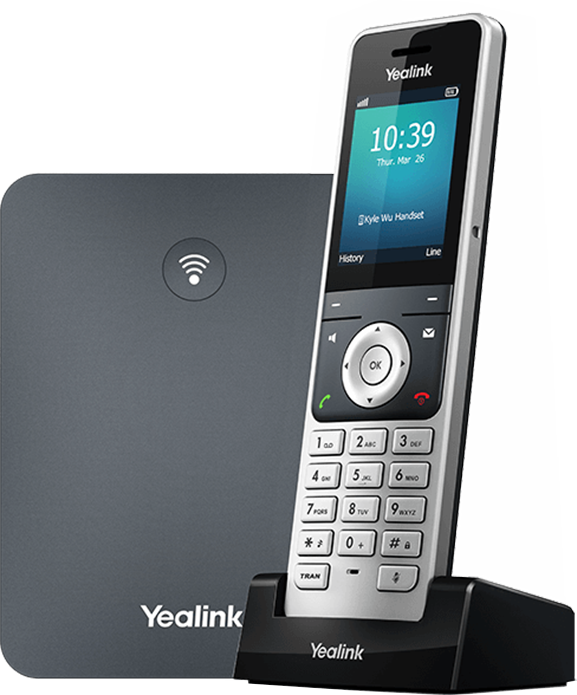
Bring all channels into one cloud system. A Hosted Phone System with UCaaS features gives every staff member a single number, voicemail, and presence. Shared SMS lets coordinators send shift updates to multiple workers at once. Ring groups and queues route calls to the right team, not one person’s mobile. Because everything is in one place, managers can report on volumes, response times, and outcomes.
Step 3: Bake in privacy and compliance
Use role-based access, automatic retention policies, and secure call recording. Standard templates capture consent. Message disclaimers help staff stay consistent. Because logs are central, incident reviews take hours, not days—freeing leaders to focus on services, not paperwork. The result is fewer blind spots, with stronger evidence when the unexpected occurs.
Designing communication around real community work
Technology serves people, not the other way around. The best systems feel invisible because they support the natural flow of a day in community care.
For support workers on the move
Staff use a softphone on mobile and laptop with the same number. They can check a client’s preferred contact method and language. If something changes on-site, they send a shared SMS to the coordinator, who updates the schedule. Because messages stay inside the system, history is available to supervisors and case managers.
For coordinators and team leaders
Coordinators manage queues for intake, rostering, and urgent help. Presence shows who is free. Warm transfers reduce repeating stories. Call recordings support coaching. Dashboards highlight repeat callers and after-hours demand so you can roster smarter next month.
For executives and boards
Leaders see service levels, missed call rates, and first-contact resolution across regions. They can justify funding requests with measurable improvements. Clear KPIs also make partner reporting easier.
Addressing frequent “pain points” with simple configurations
Missed calls at peak times
Use overflow rules. If the main queue waits more than 60 seconds, route to a secondary team or on-call leader. Voicemail-to-email with transcripts ensures nothing is lost, and follow-ups are timely.
Personal numbers in the mix
Replace ad-hoc mobile calls with app-based calling. Staff keep privacy. Clients see a single, trusted service number. Because every interaction logs automatically, case notes complete faster.
Unclear handovers
Record a short wrap-up after each critical call. Link the recording to a client or incident. Standard tags—urgent welfare check, medication query, transport change—make retrieval simple during reviews.
Security and trust without complexity
Community providers handle sensitive details about health, routines, and support needs. Centralised communications help protect that information. As policies or standards change, you apply them once across phone, messaging, and video. In turn, staff spend less time worrying about whether they used the “right app.” They just help people.
Practical security tips for busy providers
Enable multifactor authentication, least-privilege roles, and automatic sign-out on shared devices. Keep admin access limited. Review logs monthly. Most importantly, make it easy for staff to flag a concern. When the system feels friendly, people use it properly.
How SIPcity can help—without upheaval
We design communication stacks for community and disability support at every size. Start small, move fast, and expand as you need:
- Core calling and queues: Cloud PBX features route calls to the right team first time. Supervisors can listen back for coaching and quality.
- Shared SMS: Send shift updates to a group, confirm appointment windows, and notify families. Replies stay threaded in the same place as calls.
- Mobile-first apps: Staff carry their number from desk to field. If a phone is lost, we revoke access in minutes.
- Reporting and evidence: Pull call and message history by client, program, or region. Export for incident reviews and board reporting.
- Resilient connectivity: Business-grade internet with failover keeps care going during outages. We monitor links and alert you before clients feel the impact.
A quick readiness checklist
Use this to prioritise next steps
1) Do we rely on personal mobiles or personal SMS for client contact?
2) Can we see all client communications in one place?
3) Do we have after-hours rules that scale beyond one person?
4) Is there documented evidence for incident reviews?
5) Do hubs have monitored failover connectivity?
6) Are permissions and retention policies consistent across channels?
7) Do staff have short, practical training for the tools they use?
Getting started in weeks, not months
Begin with one program or region. Stabilise connectivity. Migrate phone numbers. Turn on shared SMS. Train champions first, then roll out team-by-team. Because the whole stack is cloud-based, you avoid big capital costs and long projects. Within a month, most providers see lower missed-call rates, faster follow-ups, and happier teams.
For NDIS-registered providers, the operational picture is more specific. See our NDIS provider phone system page for how SIPcity maps communications to the Practice Standards and the 1 July 2026 changes.
Get in touch with one of SIPcity’s NDIS Communication Specialists to help transition your team to a Connected Team solution. Call 1800-150-686 for more information.