For years, Australian businesses relied on Telstra’s DOT (Digital Office Technology) as their bundled solution for internet and voice communications. However, Telstra DOT is no longer available to new customers, leaving many businesses searching for a reliable alternative. The good news is that specialist providers like SIPcity now offer superior business voice solutions that deliver better functionality, reliability, and support than bundled services ever could.
The challenge many businesses face is finding a replacement that matches their needs without the complexity and limitations that plagued DOT. Moreover, they want a solution that provides quality support and expertise. This is where specialist business voice communications providers demonstrate their value.
Understanding What Telstra DOT Was
Telstra DOT bundled business broadband, fixed lines, and mobile services into a single package. On paper, this approach seemed convenient. In practice, however, many businesses experienced significant challenges with the service.
The system relied on Voice over Internet Protocol technology running over ADSL or NBN connections. Consequently, businesses located far from telephone exchanges often struggled with connection speeds. Additionally, the service came with strict hardware requirements and limited flexibility for customisation.
User experiences with DOT varied dramatically. Businesses close to exchanges with good connection speeds generally found the service adequate. However, many others dealt with dropped calls, slow internet, and frustrating support experiences. Furthermore, businesses wanting modern features like call recording, sophisticated auto attendants, or detailed call analytics found DOT limited. The bundled approach meant simple requests required complex workarounds.
Why Telstra DOT Is No Longer Available
Telstra DOT entered stop-sell on 30 September 2025, with the platform scheduled to shut down completely on 30 August 2027. The product was the last remaining bundled phone-and-broadband offering in Telstra’s SMB portfolio, and its retirement closes the chapter on Telstra’s traditional SMB voice products entirely.
For businesses still running DOT today, every remaining customer is on a forced migration path. There are no new services, no contract renewals, and no address moves. The deadline is hard, and the 30 August 2027 shutdown date is final.
The Limitations of Bundled Communication Services
Telstra DOT exemplified the core limitation of bundled communication services. When everything comes from a single provider, businesses often sacrifice flexibility, performance, and value. The problems typically fall into three categories:
Poor Network Performance
Bundled services often use voice over DSL technology, which suffers from distance limitations and bandwidth sharing issues. When internet and voice share the same connection, both can suffer. Specifically, bandwidth-intensive activities like video conferencing or large file transfers can degrade call quality significantly.
Telstra DOT did not solve this problem. Indeed, the bundled approach made it worse by design, since businesses could not separate their voice traffic from their data traffic. As a result, a customer in Parramatta might experience crystal-clear calls, while a customer in regional Queensland dealt with constant dropouts.
Limited Feature Set
DOT offered basic call handling, voicemail, and call waiting. However, modern businesses expect far more: call recording, sophisticated auto attendants with menu trees, detailed call analytics, CRM integrations, mobile apps, and remote work capabilities. DOT delivered none of these out of the box, and adding them typically required expensive third-party integrations.
Restrictive Contracts and Support Issues
Like other bundled services, DOT came with multi-year contracts and limited flexibility. More importantly, when problems arose, the support experience was often frustrating. Tier-1 offshore support, long wait times, and complex escalation processes were common complaints.
What Makes a Good Telstra DOT Alternative
When evaluating a Telstra DOT alternative, Australian businesses should look for several critical capabilities:
High-Quality Voice Performance
Voice quality should be exceptional regardless of location. The service should not depend on bundled technology that degrades with distance from an exchange. Instead, it should leverage modern cloud infrastructure and work over any reliable business-grade internet connection.
Comprehensive Feature Set
A specialist business voice provider should include all essential features as standard: call recording, auto attendant, call queues, voicemail-to-email, mobile apps, and integrations with popular business tools. Notably, this eliminates the need for expensive add-ons and third-party solutions.
Transparent Pricing
Look for all-inclusive per-user pricing that includes Australian mobile and landline calls. Avoid providers who advertise low base prices but then charge extra for essential features. SIPcity exemplifies this transparent model.
Flexibility and Scalability
The solution should grow with your business, with month-to-month contracts, easy adding or removing of users, and the ability to scale features up or down as needed.
Quality Australian Support
Support should be Australian-based, with teams that understand local business needs. This is a critical differentiator from offshore support centres, where communication barriers and lack of local context can prolong issue resolution.
SIPcity as a Telstra DOT Alternative
SIPcity is purpose-built to address the limitations of bundled services like Telstra DOT. The platform delivers superior voice quality, comprehensive features, and transparent pricing. Additionally, it is backed by Australian-based support teams.
Superior Voice Quality Over Any Connection
SIPcity works over any business-grade internet connection, including the NBN connections many businesses already have. Furthermore, the platform uses modern codecs and Quality of Service prioritisation to ensure crystal-clear voice quality. As a result, businesses no longer need to worry about distance from exchanges or bandwidth sharing issues.
For businesses that need business-grade internet alongside their voice service, SIPcity also provides NBN business internet with the same Australian-based support.
All-Inclusive Feature Set
Every SIPcity plan includes the features that DOT lacked:
- Auto attendant with customisable menu trees
- Call recording with AI-powered transcription
- Call queues with intelligent routing
- Voicemail-to-email with transcripts
- Mobile apps for iOS and Android
- Desktop apps for Mac and Windows
- CRM integrations (HubSpot, Salesforce, Zoho, and more)
- Microsoft Teams Direct Routing
- AI Voice Agent for automated call handling
This comprehensive approach means businesses do not need to invest in separate add-ons or third-party tools. The published per-user price is the actual price.
Transparent All-Inclusive Pricing
SIPcity pricing is straightforward. Plans start at $5.00 per user per month, with all features included. For businesses on Telstra DOT, the cost savings are often substantial, typically 30 to 50% lower once equivalent features are loaded onto a Telstra plan.
Month-to-Month Contracts
Unlike DOT’s multi-year commitments, SIPcity operates on month-to-month terms. This flexibility is valuable for growing businesses whose needs change rapidly. Moreover, it removes the risk of being locked into a service that no longer fits.
Australian-Based Support
When issues arise, SIPcity’s Australian support team is available to help. Furthermore, the team has direct access to the network and billing systems, which means most issues are resolved on the first contact. There is no multi-tier offshore escalation.
Migration From Telstra DOT
For businesses currently running Telstra DOT, the migration to SIPcity follows a well-trodden path:
- Sign up at sipcity.com.au. The process takes 5 minutes and does not require a credit card.
- Port your numbers for free. Submit a porting request, and SIPcity lodges it with Telstra. Numbers typically move in 5 to 10 business days, and your existing DOT service stays active during the port.
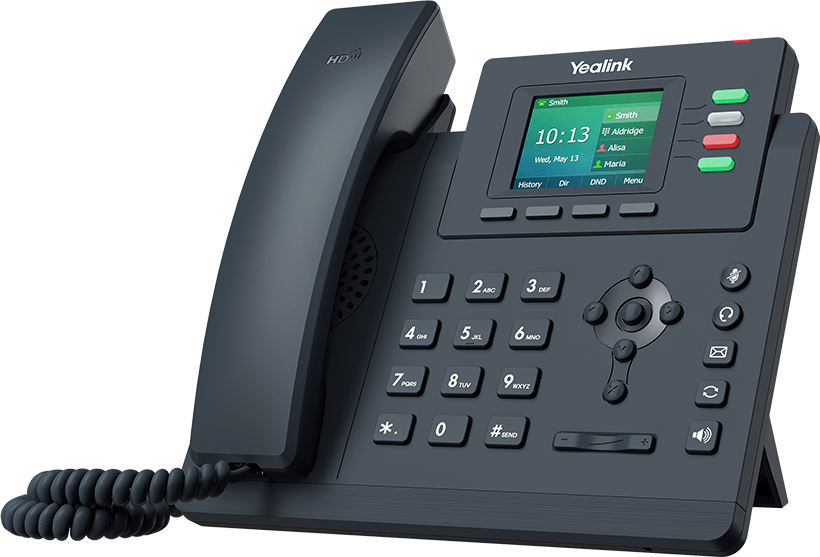
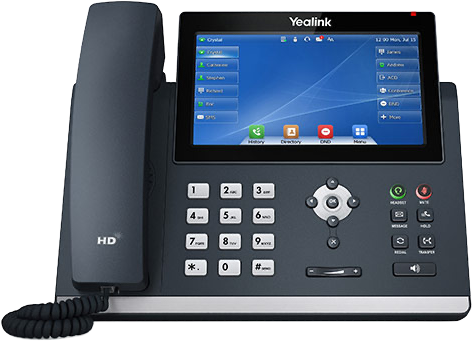
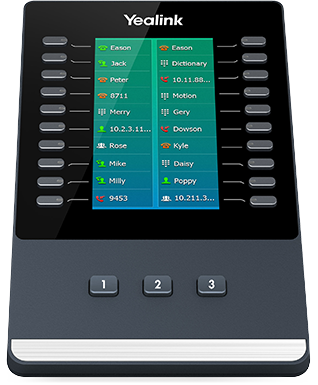
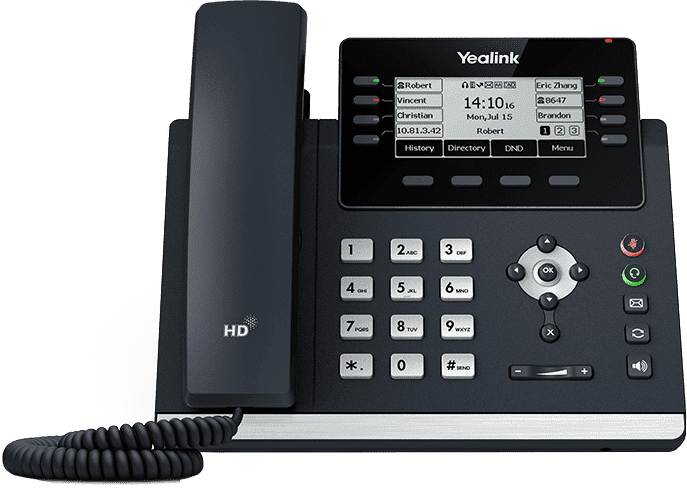
- Connect your devices. Existing SIP handsets are supported, or businesses can use the SIPcity desktop and mobile apps.
- Configure call flows through the self-service portal. Set up auto attendants, call queues, time-of-day routing, and integrations.
- Cancel Telstra DOT once confirmed live on SIPcity. Keep the final invoice for records.
Given the 30 August 2027 shutdown deadline, businesses running DOT should plan migration well in advance. A 2 to 4 week migration window is standard, but starting 3 months before the deadline leaves comfortable margin for unexpected delays.
The Future of Business Voice in Australia
The retirement of Telstra DOT marks the end of an era. Bundled phone and broadband services from major carriers are giving way to specialist, cloud-based alternatives. This shift benefits Australian businesses in three ways:
- Better voice quality through modern cloud infrastructure that is not constrained by bundled technology.
- More features delivered as standard rather than as expensive add-ons.
- Greater flexibility through month-to-month contracts and scalable pricing.
SIPcity represents the modern approach to business voice. Indeed, it delivers on all three benefits while maintaining the Australian-based support and on-shore data that local businesses require.
Conclusion
Telstra DOT served its purpose for many years, but its limitations became increasingly clear. The stop-sell on 30 September 2025 and full shutdown on 30 August 2027 mean businesses need to act. The good news is that specialist alternatives like SIPcity offer a better path forward. With superior voice quality, comprehensive features, transparent pricing, and Australian support, the migration is not just a necessity but an upgrade.
For Australian businesses still on Telstra DOT, now is the time to evaluate alternatives. SIPcity’s free number porting, self-service setup, and month-to-month contracts make the transition low-risk. Moreover, the long-term benefits in cost, features, and support make the switch a clear win.
Looking for a full head-to-head? Read our complete SIPcity vs Telstra comparison guide for the full side-by-side breakdown, including pricing, contract terms, support, and migration steps.