





Why Medium-Sized Businesses Have Unique Communications Needs
Australia has around 67,857 medium businesses, employing between 20 and 199 people, according to the Australian Bureau of Statistics. Add in the businesses sitting just below and above that band, from 10 to 500 staff, and you have a significant chunk of the Australian economy that is genuinely underserved by the communications market.
Large carriers design their products for enterprise clients with procurement teams and multi-year contracts. Consumer-grade apps are fine for a sole trader, but they fall apart once you have multiple sites, a reception desk, and staff who need to transfer calls professionally. A phone system for medium-sized businesses needs to sit in the middle: enterprise-grade features, without enterprise-grade complexity or cost.
Over the past 20 years working in Australian telecommunications, I have watched countless growing businesses either overpay for features they do not use, or struggle with cobbled-together tools that create more friction than they solve. Neither outcome is acceptable. So let me walk you through what actually matters.
What Your Phone System Should Include From Day One
The foundation of any solid business phone system is a Cloud PBX (new world “Private Branch Exchange”). Think of it as your virtual phone exchange, the engine that routes calls, manages extensions, handles hold music, and powers your auto-attendant. Because it lives in the cloud rather than in a box on your wall, you are not paying for hardware, outsourced engineering with hefty maintenance contracts, and your IT team is not struggling to understand it.
Cloud PBX and hosted phone system
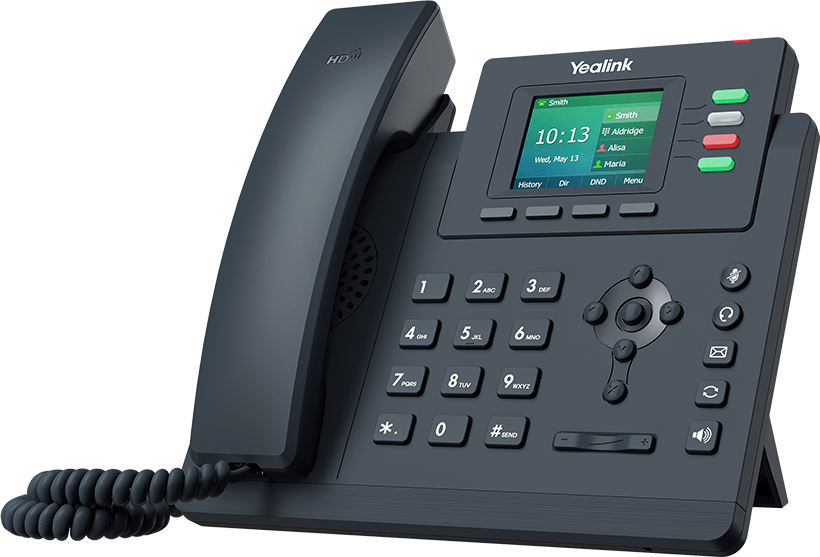
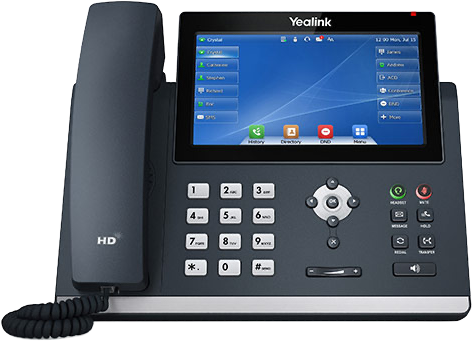
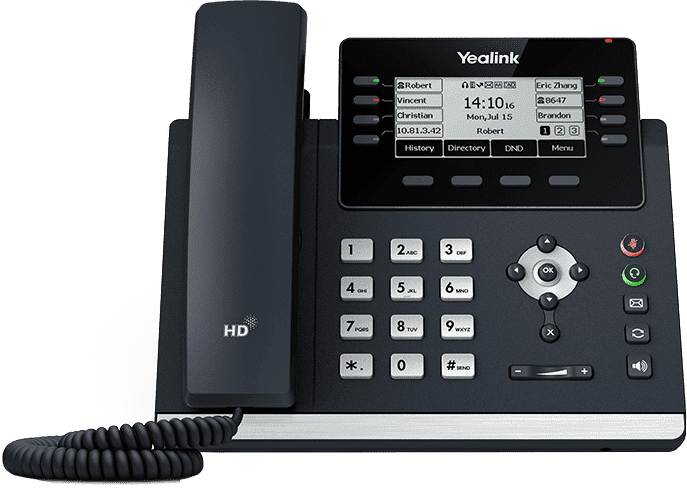
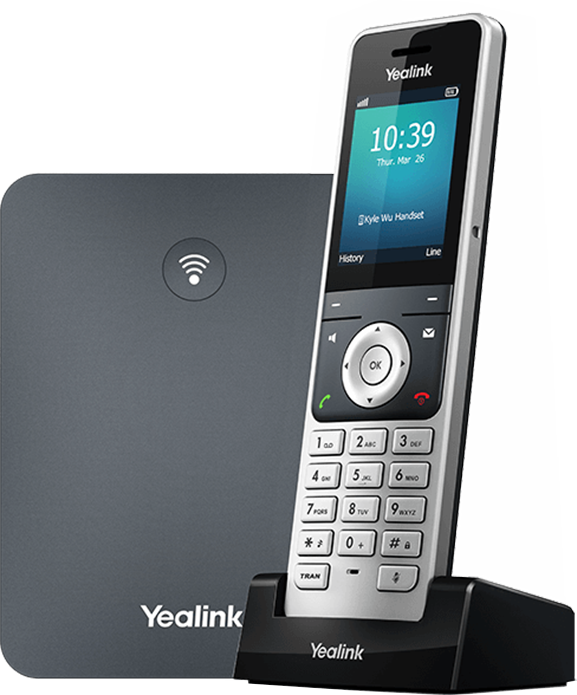
With SIPcity’s hosted phone system, every seat comes with the features your team needs from day one: direct inward dialling (DID), call transfer, call queues, voicemail to email, a configurable auto-attendant, and AI features including call recording and transcription. There is nothing to install on-premises. Your team can use desk phones, softphones on a laptop, or the SIPcity mobile app, whatever suits how they work.
Critically, you do not need to change your existing internet connection to switch to SIPcity. Whether you are on the NBN, a leased line, or a 5G business connection, SIPcity runs over the top. Your internet provider stays exactly where it is. And of course, you can power up your business with NBN from SIPcity if you want everything on the one bill.
SIP trunking for businesses that need more flexibility
If you already have a phone system on-site and just need reliable, cost-effective call termination, SIPcity’s SIP trunking (Session Initiation Protocol trunking) connects your existing PBX to the public telephone network via the internet. It replaces traditional analogue or ISDN lines, often at a fraction of the cost. For multi-site businesses, it is a particularly efficient way to consolidate your voice infrastructure under one provider.
All Your Communication Tools in One Place
A phone system for medium-sized businesses should do more than just handle voice calls. Your team communicates across multiple channels: phone, SMS, mobile, and increasingly via integrated platforms like Microsoft Teams. Managing five different vendors for five different tools is a headache you do not need.
Shared SMS for your business number
SIPcity’s Shared SMS feature lets multiple team members send and receive text messages from a single business number. Customer replies come into a shared inbox, not someone’s personal mobile. That means no missed messages when someone is on leave, and no customer receiving a text from an employee’s private number. For customer-facing teams, this is genuinely useful from the first week.
Mobile features that keep your team connected
Your people are not always at their desks. With SIPcity, your staff can use the “mySIPcity” mobile app to make and receive calls on their business number, anywhere with a data connection. Calls show your business number, not a personal mobile. Voicemails come through to email. And when someone transfers a call from the office to a colleague working remotely, it works exactly as it should.
UCaaS: bringing it all together
Unified Communications as a Service (UCaaS) is the category that describes what SIPcity delivers: voice, messaging, and collaboration tools combined in a single cloud platform. For medium-sized businesses, UCaaS removes the need to stitch together separate vendors. Everything runs through one provider, one bill, and one support team. If you use Microsoft Teams, SIPcity integrates directly so your Teams users can make and receive external calls without leaving the Teams interface.
A Phone System for Medium-Sized Businesses That Scales With You
One of the most common frustrations I hear from business owners is being locked into a long term contract that no longer matches their business. And watch out for auto-renewals which add an additional five years before you can say “let me check alternatives”. And thinking about Hiring five new staff? You should be able to add five lines without calling a sales team and waiting three weeks.
SIPcity is built to scale. Adding or removing users is straightforward and handled through your online portal. There is no complex hardware to procure and no technician visit required. Whether you are at 10 people today or growing toward 500, the platform grows with you. And when you are ready to explore AI Voice Agents, automated inbound call handling that sounds genuinely human, that capability is ready when you are.
We explored the question of good versus new in business communications recently and the answer is almost always: you need both. Reliable, proven voice infrastructure with the ability to add modern capabilities as your business demands them.
Why Australian Ownership Matters for Your Business
SIPcity is Australian-founded, Australian-owned, and serves Australian businesses only. We do not have a residential customer base competing for support resources. Every member of our team is focused on B2B voice communications, nothing else.
That focus matters when something goes wrong. You will not be routed through an offshore call centre or told your ticket is in a queue. You get a real person, based in Australia, who understands your business context. For medium-sized businesses where downtime costs real money, that is not a nice-to-have. It is essential.
There is also the matter of data sovereignty. SIPcity runs on private Australian infrastructure. Your call data and business communications do not pass through public overseas platforms. For businesses operating in regulated industries, health, finance, professional services, that matters a great deal.
Number Porting: Bring Your Numbers With You
Switching providers does not mean changing your phone numbers. SIPcity handles number porting for geographic numbers, 1300 and 1800 numbers, and mobile numbers. Your clients keep the same numbers they have always called. The transition is managed so your phones keep ringing throughout.
With around 67,857 medium businesses currently operating in Australia, the decision about which communications platform to trust is not trivial. The right phone system for medium-sized businesses should be reliable, flexible, genuinely supported, and priced for a business that actually watches its costs. That is what SIPcity delivers.
Ready to Talk to Someone Who Understands Your Size?
If your business sits anywhere between 10 and 500 people, SIPcity is worth a conversation. We can assess your current setup, identify where you are overpaying or under-served, and put together a configuration that actually fits the way your team works. No lock-in pressure, no corporate sales script, just a straight conversation about what makes sense for your business.
Get in touch with the SIPcity team today. We would love to help you build a phone system your people will actually enjoy using.