






Queensland has now tipped past the half-million mark for small businesses, with official figures showing growth to more than 508,000. That’s a lot of new competitors, new customers, and new calls. If you’re a growing business, your business phone system Queensland setup becomes the front door to your brand, often before a customer ever visits your website.
Yet many businesses still run on a phone setup that was “fine when we were five people”. Then the team grows, call volumes rise, and suddenly you’ve got missed calls, messy transfers, and customers repeating themselves. The result is simple: growth hurts instead of helping.
This article is a practical guide to making sure your phone system can scale with your team, without losing the personal touch Queensland customers expect.
Why growth breaks phone systems (even when your team is great)
Queensland’s business landscape is changing quickly. Nationally, the ABS reported 2.73 million actively trading businesses at 30 June 2025, with business entries and exits both at significant levels. In plain terms: more businesses are starting, competing, and moving fast.
When you grow, your phone system needs to do three things at once:
- Answer more calls without adding chaos.
- Route smarter so customers reach the right person quickly.
- Stay consistent across office phones, mobiles, remote work, and multiple sites.
However, older setups tend to fail in predictable ways. For example, calls ring out because no one owns the “main number”. Or the main number is actually your personal mobile number. Or calls bounce between mobiles because there’s no proper call flow. Meanwhile, customers start choosing the competitor who “just answers”.
Common warning signs your system won’t scale
- Customers say, “I tried calling earlier.”
- Sales calls and support calls land on the same handset.
- New staff can’t be added quickly (or cheaply).
- No visibility: you can’t tell how many calls were missed or abandoned.
- After-hours calls don’t get handled consistently.
What a scalable business phone system looks like in Queensland
A modern business phone system Queensland businesses can rely on is not just “VoIP”. It’s a complete call-handling framework that grows with your team and keeps your customer experience steady.
Here’s what matters most when you’re hiring, opening a new location, or simply getting busier.
1) One main number, multiple ways to answer
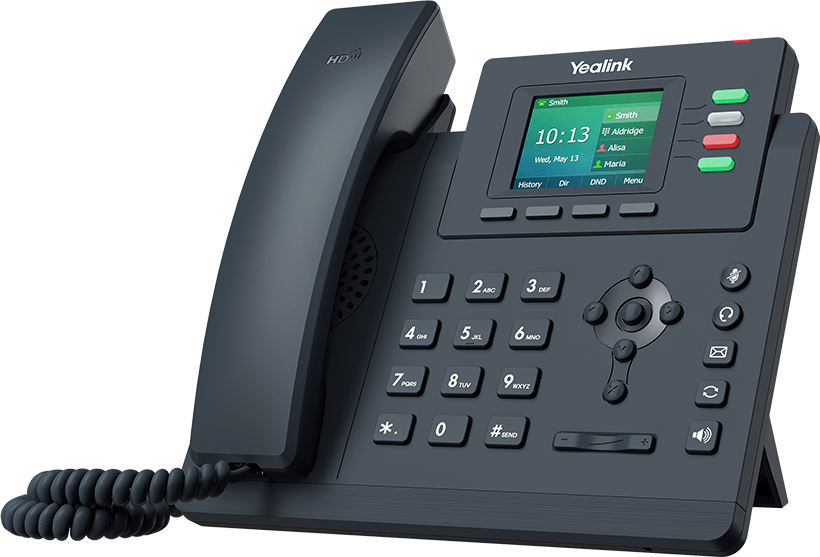
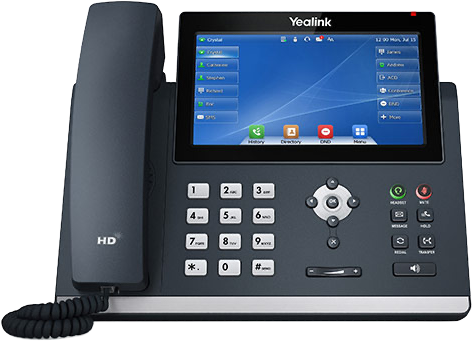
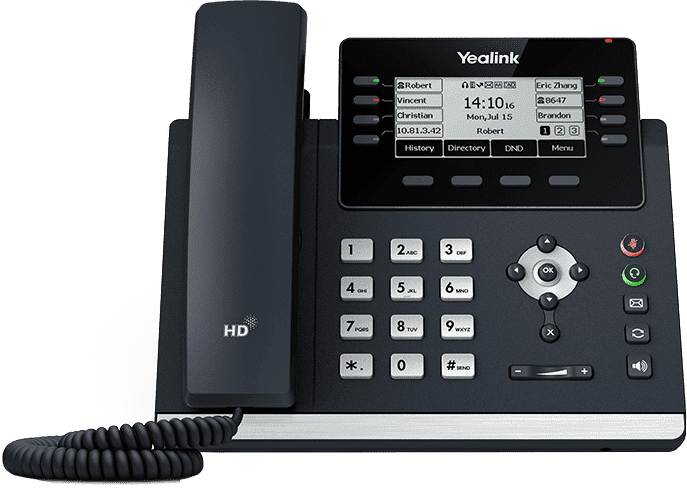
Customers want one number they can trust. Your team needs flexible answering options. A cloud phone system lets you ring desk phones, mobile apps, browser softphones, or a mix, so calls are answered even when people are on-site, on the road, or working from home.
If you’re reviewing options, SIPcity’s Cloud PBX approach is designed to keep management simple while giving you proper call flows and control. You can explore the building blocks here in SIPcity’s Business Phone System.
2) Call routing that matches how Queensland businesses actually work
Routing should reflect your real workflow. For instance, you might send new enquiries to Sales, existing customers to Support, and accounts calls to Admin. Then, within each path, you can ring the right people in order or in parallel.
Good routing reduces “call ping-pong”. It also reduces staff stress, because people stop getting calls they can’t answer.
3) Call queues for busy periods (without sounding like a big, cold call centre)
Queues aren’t only for large organisations. They’re for any business that gets busy at certain times, Monday mornings, invoice day, seasonal spikes, or after a campaign. With a queue, callers can hear a helpful message, optional estimated wait info, and music-on-hold. Meanwhile, your team sees the queue and can respond properly.
Don’t forget the foundation: business-grade internet for voice
Voice quality is rarely “a VoIP problem”. It’s usually a network consistency problem. If your internet is congested, unstable, or contended, calls can sound clipped or delayed, or they just drop – especially when the office is also doing video meetings, cloud apps, and large uploads.
For Queensland businesses, the goal is simple: stable connectivity that supports voice and growth. If you’re upgrading your comms, it’s smart to review your connectivity at the same time. Here’s SIPcity’s overview of business connectivity options and NBN Business Internet.
When voice and internet are aligned, your team gets fewer “Can you repeat that?” moments. Just as importantly, customers feel like your business is organised, even on the busiest day.
Quick network checklist for clean voice
- Use a router that supports QoS (quality of service) for voice traffic.
- Separate guest Wi-Fi from business traffic.
- Avoid running critical calling over overloaded consumer mesh systems.
- Plan for redundancy if phones are mission-critical (failover options matter).
Growth-proof features Queensland teams actually use
When you’re scaling, features aren’t “nice to have”. They protect revenue and customer experience. A strong business phone system Queensland businesses choose should include these essentials.
Auto Attendant (IVR) that sounds human
An IVR can be short, friendly, and useful. It should not trap callers. A simple menu like “Press 1 for Sales, 2 for Support” can reduce misrouted calls immediately. It also makes your business sound established, even if you’re still growing.
Smart after-hours handling
After-hours calls can be handled in a few sensible ways:
- Send urgent calls to an on-call number.
- Send general calls to voicemail-to-email.
- Offer a simple menu for urgent support versus general enquiries.
The key is consistency. Customers should never feel like they’ve called a different business after 5pm.
Shared SMS and messaging for faster customer replies
Many Queensland customers prefer a quick text, especially for appointments, delivery windows, or confirmations. Shared SMS (where a team can see and respond to messages from a business mobile number with a Shared Inbox) helps you respond quickly without relying on one person’s mobile phone.
Compliance, records, and trust: the “grown-up” side of calling
As businesses grow, the stakes increase. You may need better records, clearer ownership of customer conversations, and safer handling of personal information.
If you operate in regulated sectors, or you simply want better internal accountability, consider:
- Centralised call reporting to see missed calls, busy times, and patterns.
- Controlled access so staff permissions match their role.
- Documented call flows so changes don’t break customer experience.
Also, scams and nuisance calls remain a reality for Australian businesses. Staying aware of scam trends and complaint pathways helps protect staff and customers. For Australian guidance and updates, the ACMA is a reliable reference point.
A simple “ready for growth” phone system plan
If you want a practical way to assess your current setup, walk through this sequence with your team.
Step 1: Map the calls you actually receive
List your top call types: sales enquiries, support requests, accounts, bookings, and supplier calls. Then define where each should go first, and what happens if nobody answers in 20 seconds.
Step 2: Decide what must never be missed
Not all calls are equal. Identify the calls that directly impact revenue or safety. For those calls, build stronger routing, queueing, and escalation.
Step 3: Make onboarding easy for new staff
Growth means new hires. Your system should let you add a user, assign them a number (or extension), and place them into the right groups quickly. If adding staff feels hard, your system is a bottleneck.
Step 4: Tie it together with clear pricing and inclusions
Cost blowouts often happen when every feature becomes an add-on. Look for a model that stays predictable as you scale. If you’d like to compare plans and inclusions, you can review SIPcity’s Plans and Pricing.
Final thought: growth is good – missed calls are not
Queensland’s business boom is exciting. Yet growth has a way of exposing weak systems, fast. The good news is that modern cloud calling makes it far easier to scale without losing the friendly, responsive service that Queensland businesses are known for.
If you want help reviewing your business phone system Queensland setup; call flows, call queues, mobile apps, shared SMS, and the internet foundation underneath it, SIPcity can help you get it right.
Ready to scale without the chaos? Talk to SIPcity about a phone system built for growth, with business-grade internet and a Cloud PBX that keeps your team responsive. Contact SIPcity here.