If you are actively looking for alternatives to TPG & Telstra for business phones, you are not alone – and you are definitely not early.
Over the past few years, Telstra and TPG Telecom have steadily lost broadband customers to smaller, more agile providers that offer sharper pricing and better service quality, according to analyst research and ACCC market data. Those same pressures are now playing out in business phone systems, as Australian businesses move away from legacy bundles and towards specialist VoIP (Voice over Internet Protocol), Cloud PBX (cloud-based Private Branch Exchange), and UCaaS (Unified Communications as a Service) platforms built specifically for modern work.
That shift is exactly where providers like SIPcity live: business-only, voice-first, and 100% focused on helping Australian organisations get reliable, flexible communications without the big telco frustration tax.
Why businesses are moving on from TPG and Telstra
Let us start with the business impact. When your internet or phone service wobbles, your sales team does not just get annoyed; your revenue literally walks out the door to a competitor who answered the call.
Recent analysis shows Telstra and TPG’s combined share of NBN services has declined, while smaller providers such as Aussie Broadband and Superloop continue to grow, driven by sharper pricing and more responsive support. Investment research has also highlighted TPG’s share of the national broadband market falling over several years, with customers moving to providers that offer better service and cheaper prices.
In parallel, Telstra has been quietly reshaping its business voice portfolio, discontinuing familiar products like Business SIP and DOT (Digital Office Technology) while steering customers towards complex enterprise-grade options that often do not fit small and medium businesses. That leaves many organisations stuck in long queues for support, trying to navigate product changes, or discovering that the phone system they relied on is no longer sold to businesses their size.
At the same time, the Australian VoIP and Cloud PBX market is growing quickly as businesses look for cost-efficient, scalable communications that support remote and hybrid work. When you put those trends together, it is no surprise so many business owners are now searching for genuine alternatives to TPG & Telstra for business phones.
What a modern alternative should actually deliver
If you are going to move away from a big telco, the bar should be higher than “slightly cheaper.” Your next provider needs to improve reliability, flexibility, and control.
From where I sit – after nearly two decades in Australian telecommunications – any serious alternative to TPG & Telstra for business phones should offer at least the following:
- Business-grade internet compatibility: Works over your existing NBN or fibre service (whoever supplies it), with clear guidance on the bandwidth and router setup you need for quality VoIP calls.
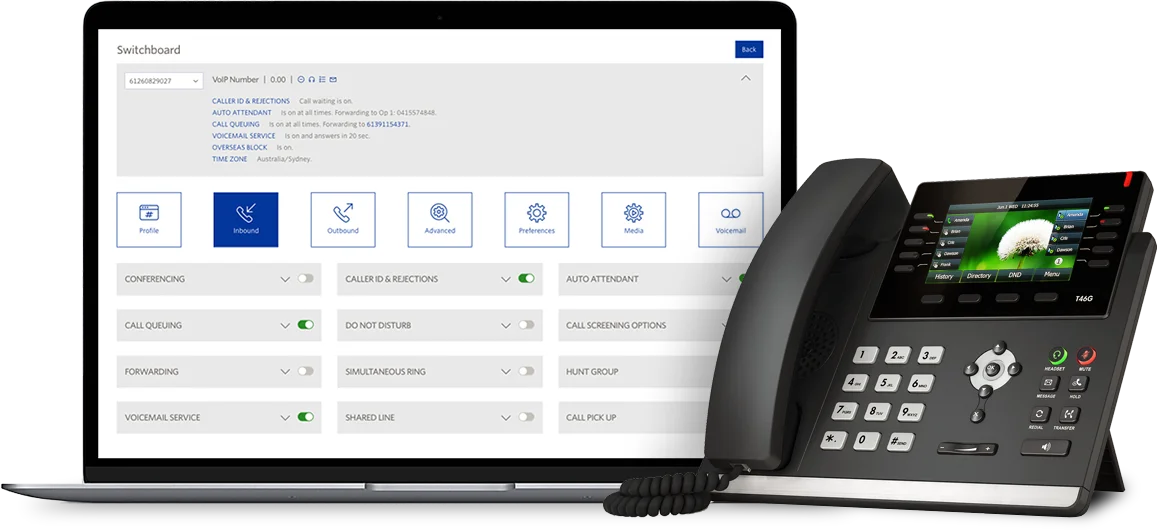
- Cloud PBX as standard: Features like time-based call routing, call queues, IVR menus, voicemail-to-email, and hunt groups included by default, not sold as expensive add-ons.
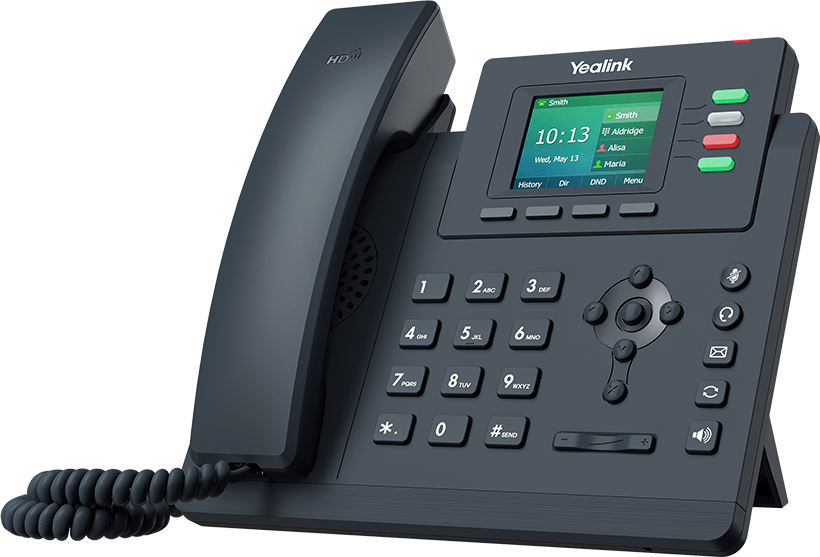
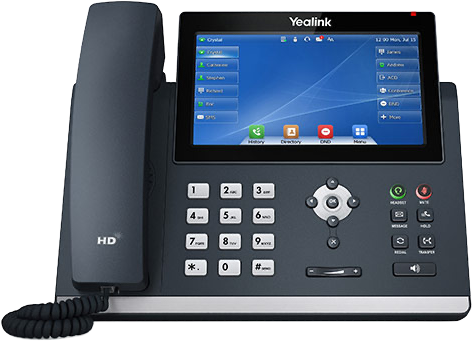
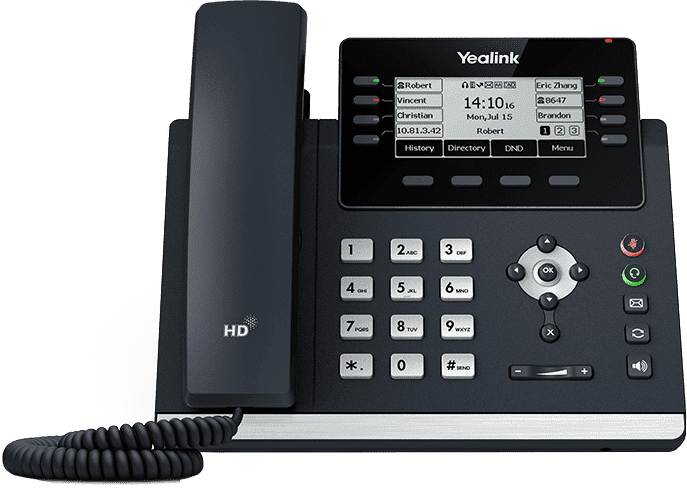
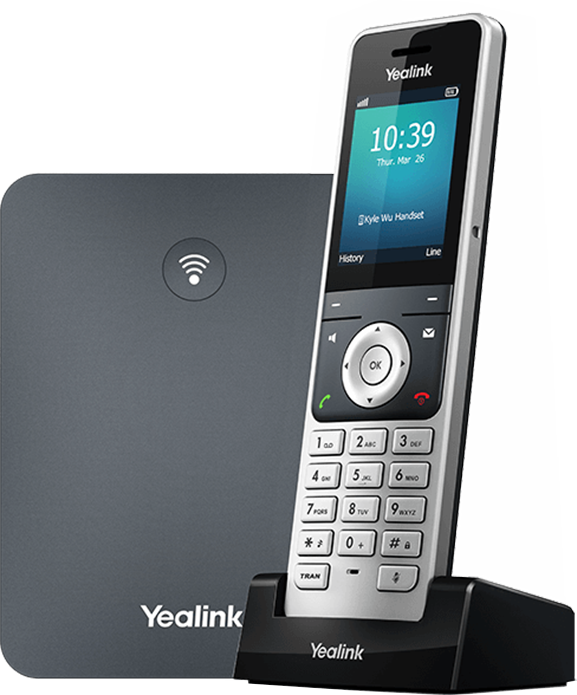
- Hosted Phone System and UCaaS: Desk phones if you want them, softphones on laptops, and mobile apps that stay connected – all tied into one unified calling platform with presence.
- Shared SMS and messaging: A shared SMS inbox your team can use to confirm bookings, chase payments, and manage customer updates from a single, auditable channel.
- Transparent pricing: Plans based on outbound calling and real usage, not on how many features you dare to turn on in your Cloud PBX.
- Business-only focus: No residential customers, no consumer distractions, just a provider whose systems, support hours, and priorities exist for businesses like yours.
That is the lens I use when I talk to business owners who are frustrated with TPG and Telstra. You should feel confident your provider is obsessing over business communications all day, not juggling consumer mobiles and streaming bundles.
Keeping your business internet, upgrading your phones
One misconception I often hear is, “If I move my phones, I must move my internet.” Thankfully, that is not usually true.
Modern VoIP and Cloud PBX services are carriage-agnostic, which simply means they run happily over almost any decent business internet, whether that is NBN, fibre, or enterprise ethernet from your current provider. For example, SIPcity’s business voice platform is designed to work on top of your existing connection, so you can keep Telstra or TPG internet if it suits you while shifting your phone system to a more flexible, business-focused provider.
This “decouple voice from access” approach gives you options. You can upgrade your phones now to fix call quality, routing, and mobility, then review your internet service on your own timeframe.
When you are ready to optimise internet specifically for business VoIP, you can look at business-grade NBN or fibre offerings from a range of ISPs, comparing Service Level Agreements (SLAs), contention ratios, and support responsiveness using ACCC and industry data as a guide.
How SIPcity approaches Cloud PBX, UCaaS and shared SMS
Now let us talk about what “better” actually looks like in practice, using SIPcity as a concrete example of an alternative to TPG & Telstra for business phones.
SIPcity’s Cloud PBX is built specifically for Australian businesses and includes a full feature set as standard: advanced call routing with time-based rules, IVR menus, call queues, call recording and transcription, and detailed call analytics available in one platform. You can bring your existing numbers across through SIPcity’s number porting services, including 13, 1300 and 1800 numbers, which lets you modernise without losing the contact details your customers already know.
For mobility and UCaaS, SIPcity offers softphones and mobile apps so your team can make and receive business calls on laptops and smartphones while keeping their personal numbers private. Because everything sits on a cloud platform, you can support remote and hybrid workers, regional staff, and on-the-road technicians without separate phone systems in each office.
The shared SMS Inbox is one of the features I love for small and medium businesses. Your team can respond to customer texts from a shared interface, see full message history, and avoid the “who texted that customer from their mobile last week?” mystery that plagues ad hoc arrangements.
Most importantly, pricing is simple. SIPcity’s plans include Cloud PBX features at no extra cost, with competitive monthly rates that compare favourably to big telcos’ tiered and licence-heavy offers. That means you can afford to turn features on for everyone who needs them, instead of rationing functionality to protect your budget.
Business-only support versus big telco queues
If you have ever sat on hold with a large telco while your phones were down, you already understand why service quality is as important as technical features.
As Telstra and TPG have focused heavily on consumer and mobile markets, business customers often report long wait times, complex escalation paths, and difficulty finding someone who understands their particular PBX or VoIP setup. That becomes especially painful when those same providers are also rationalising or discontinuing business voice products, forcing you to navigate both product change and support queues at once.
Specialist providers like SIPcity operate differently. We work exclusively with business customers, so every process, from onboarding to number porting and ongoing support, is designed around how organisations run their communications. You are not competing with residential Netflix issues for attention; you are talking to a team whose day job is business voice.
For many of the customers we have helped migrate from big telcos, that support experience is as valuable as the feature list. Faster responses mean shorter outages, fewer missed calls, and less time your staff spend chasing tickets instead of serving customers.
Planning your move away from TPG or Telstra
Shifting your business phone system feels big, yet with the right plan it is very manageable. Here is a practical, low-drama way to approach it.
- Start with a quick inventory of what you have today: numbers, handsets, call flows, hours, and any special routing you rely on.
- Decide whether you will keep your current business internet for now and just move voice, or review both internet and phones together.
- Shortlist specialist business voice providers that offer Cloud PBX, UCaaS and shared SMS as standard, and that can run over third-party internet.
- Ask each provider to map your current call flows into their platform, including IVR menus, queues, and after-hours routing.
- Confirm number porting timelines and any downtime windows, particularly if you rely on 13, 1300 or 1800 numbers.
- Pilot with a single site or department first, then roll out more broadly once your team is comfortable.
Done well, most of the “heavy lifting” happens behind the scenes while your existing system keeps running. Then, on cutover day, you simply start receiving calls through the new Cloud PBX instead.
Business internet, mobile, and future growth
Finally, let us look slightly ahead. The way Australian businesses use internet, phones, and mobile devices will keep evolving.
The Australian VoIP and Cloud PBX market is forecast to grow strongly over the coming years, driven by remote work, cost-conscious SMEs, and the ongoing shift away from on-premises PBX hardware. That growth means more choice, more innovation, and more pressure on traditional bundles from the big telcos.
An internet-and-voice strategy that serves you well today should also leave room for tomorrow. That might mean:
- Ensuring your chosen business internet has enough headroom for future call volumes and video meetings.
- Choosing a Cloud PBX that integrates with your CRM and other systems you may adopt down the track.
- Making sure your mobile workforce can access the phone system wherever they are, without carrying two phones.
In my experience, separating your business phone system from a single big telco bundle gives you far more flexibility to adapt as technology and your organisation change.
Ready to explore alternatives?
Moving away from a big provider can feel like a leap, yet the data makes it clear: thousands of Australian businesses are already choosing alternatives to TPG & Telstra for business phones and internet every year.
Modern business communications do not need to be complicated or expensive. With the right partner, you can keep the business internet that works, modernise your phones with Cloud PBX and UCaaS, add shared SMS, and get support from a team whose entire world is business voice.
If you would like to see how this could look in your organisation, I invite you to reach out to the SIPcity team. We will walk through your current setup, map a simple migration plan, and help you compare your options in plain English. What are you waiting for?