It’s 3 March 2026. In less than four weeks your Optus Evolve Directline lines go completely dead on 31 March. No calls in or out, no faxes, no alarms or EFTPOS if they rely on those lines. Customers can’t reach you, sales stall, and your team scrambles. The biggest risk right now? Australian number porting takes 4–6 weeks for most business setups, sometimes longer. If you haven’t started the process, you need to move today to keep your numbers and avoid real disruption.I’ve spent nearly 20 years in Australian telecommunications watching carriers retire old services. Businesses that wait until the last minute lose numbers or face weeks of silence. Optus states clearly: after 31 March 2026, Evolve Directline services stop working entirely. No extensions. No exceptions. Let’s talk about what this means for you and how to get ahead of it.
Why the number porting clock is your biggest enemy right now
Your Australian local numbers live on those Optus analogue lines. Once the service disconnects, Optus can no longer process port requests for those numbers. They go back into the general pool, gone for good unless you fight a long, expensive reclaim. I’ve seen businesses spend months rebuilding their brand around new numbers. It hurts revenue and reputation.
Number porting in Australia follows strict rules set by the ACMA and the industry. Simple Category A ports (clean single or small groups of lines) usually complete in 4–6 business days after acceptance. Most business lines fall into Category C – multiple numbers, associated blocks, old features or call forwarding – and those regularly take 4–6 weeks. Add in weekends, public holidays, carrier backlogs or paperwork errors and you easily hit 8 weeks or more.
That’s why you must submit your port request this week. Every day you delay shrinks your buffer. Start now and you give yourself breathing room. Leave it any later and you risk the port failing after disconnection.
What losing your lines really costs your business
Customers dial your main number and hear nothing, so they go to competitors. Staff waste hours rerouting calls via personal mobiles, looking unprofessional. If those lines power EFTPOS, security alarms or point-of-sale systems, you face bigger operational headaches. Last-minute scrambles usually mean higher costs, rush fees, temporary lines, lost trading days. I’ve watched it happen too many times.
The straightforward replacement: cloud PBX over your NBN
You move calls onto your internet connection instead of dying copper. Keep every number you port across. Add features that save time and win customers. Most businesses cut monthly phone spend by 30–50%, and you can say goodbye separate line rentals and punishing call rates.
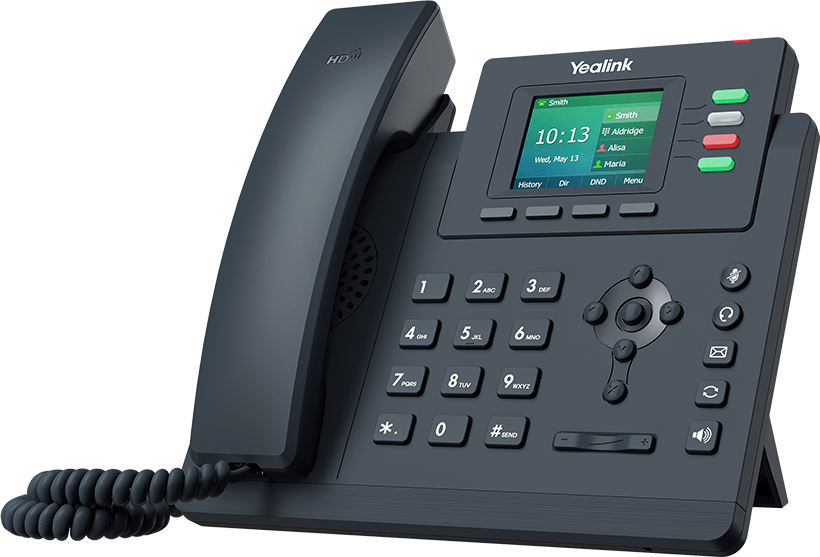
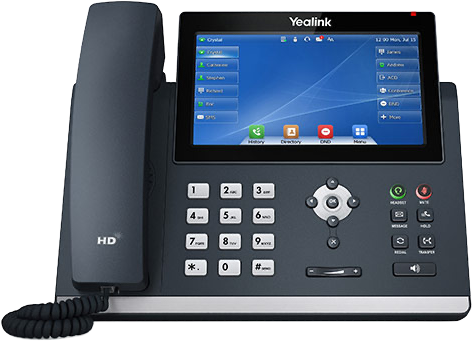
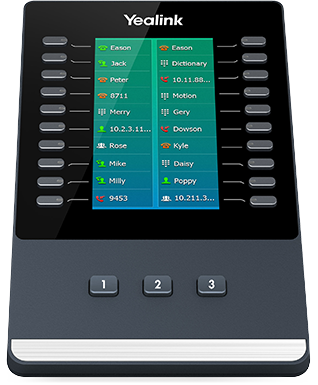
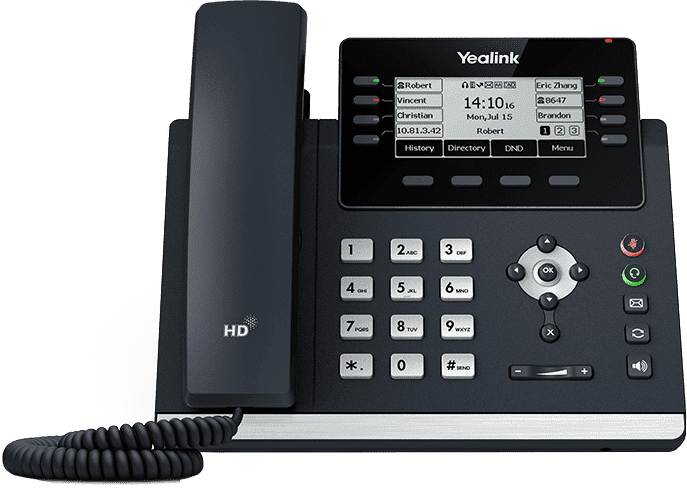
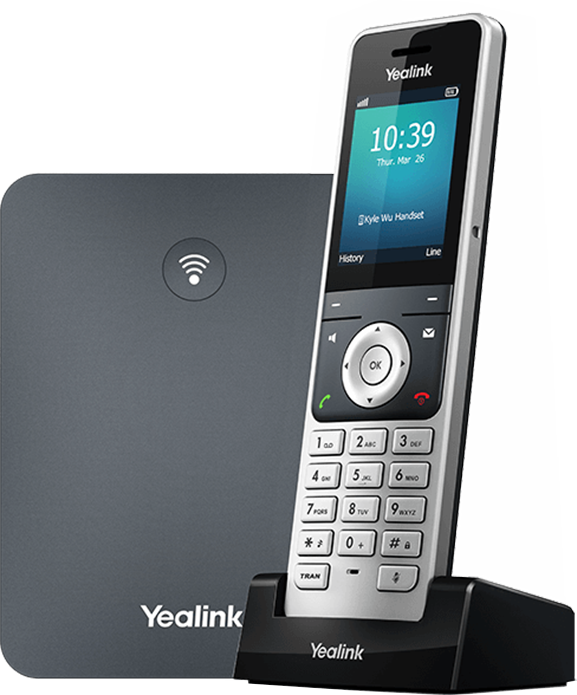
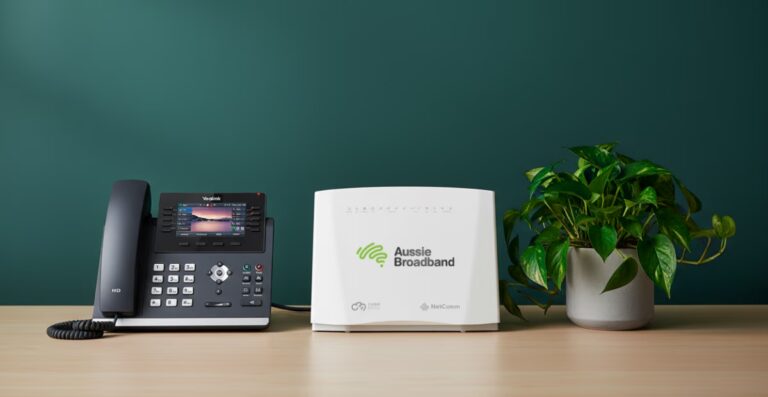
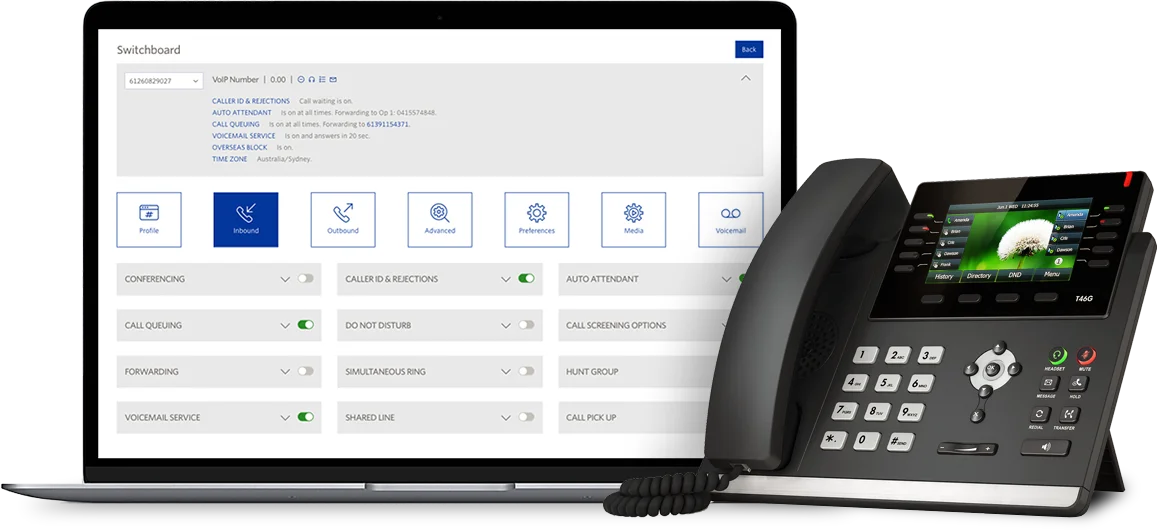
At SIPcity our hosted phone system (a cloud PBX) runs from secure Australian data centres. Plug in IP desk phones like Yealink in the office. Use the mobile app anywhere. Your team answers calls from home, site visits or the road without extra hardware or big setup bills. Voice stays clear over NBN business internet. You scale users or features instantly when your business grows.
Everyday features you’ll wonder how you lived without
SIPcity has enterprise-grade features available to all customers. Auto-attendant routes callers intelligently so the right person picks up first time. Shared SMS puts incoming customer texts in front of the whole team – no more missed replies. Mobile extensions turn smartphones into office lines. Call recordings and basic analytics show which campaigns drive real enquiries. It all ties together neatly.
UCaaS for the longer term
Unified Communications as a Service (UCaaS) bundles voice with messaging, video meetings and team tools in one platform. Start by replacing the dead lines. Later add AI voice agents to handle routine calls. You pay month-to-month for exactly what you use – no locked hardware, no forced upgrades.
I lived through analogue PBX, then VoIP, then UCaaS. The pattern stays the same: early movers save money, lift productivity and avoid chaos. Late movers pay twice; once in disruption, once catching up.
How we handle your port and switch – step by step
We begin with a no-cost audit: your numbers, any tied devices (faxes, alarms, terminals), current call flows. You fill out the port form through our portal and we coordinate with Optus. For clean lines we target that 4–6 business day window after acceptance. Complex setups? We clear blockers first (cancel old features, break associations), wait the mandatory 2 business days, then submit to keep it fast and low-cost.
You test the new setup in parallel while old lines still work. Pick your go-live date. Cutover usually takes seconds to a couple of hours while routing updates. If anything unexpected pops up in the 4-hour reversal window, we action emergency returns immediately. Plan early like this and surprises stay rare.
After the switch your team logs into our dashboard or plugs in phones. We guide you through cancelling the old Optus account so no surprise final bill arrives later.
See the details for yourself
We explain porting timeframes, costs and steps openly on our site. Simple ports start from $24.40 per number submission; complex ones cost more but save time when prepared properly. Carrier delays happen, but starting this week gives you the buffer you need.
Have a quick read of our number porting page for the full picture. Or explore how our hosted phone system works for businesses just like yours.
Don’t gamble with your main customer contact point
With under a month left until 31 March 2026, every day counts. Businesses that port early keep continuity, slash bills and gain modern tools that make daily work easier. Delay and you risk losing the phone numbers your brand depends on.
Your analogue setup can’t adapt anymore. Cloud communications can – for remote teams, growing offices, future AI smarts. It’s the logical next step after decades of copper reliance.
Ready for a straightforward chat about your numbers and setup? Drop us a message today. We’ll review your situation, estimate realistic port timing and outline a replacement that keeps your business talking – no pressure, just clear next steps from someone who’s handled hundreds of these migrations.