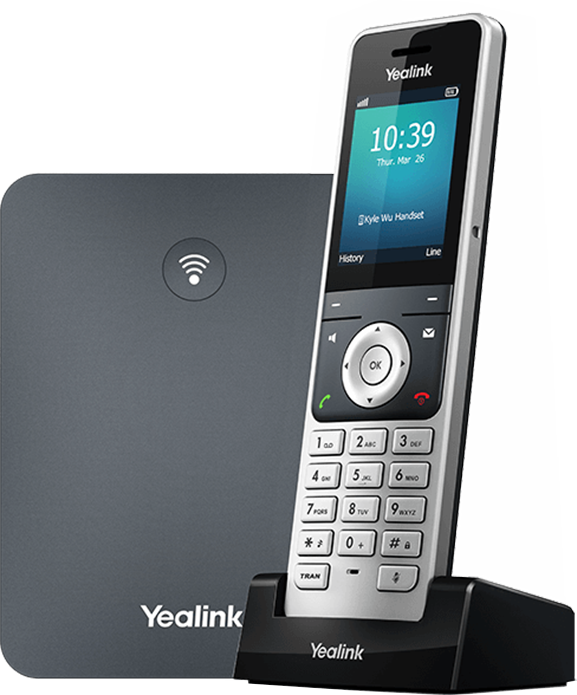
Here’s a conversation happening in Australian businesses right now: “We just need phones that work. You know, dial tone. Calls that don’t drop. Voicemail that doesn’t require a PhD to access.” Meanwhile, every vendor’s pitch deck screams about AI voice agents, predictive analytics, and unified everything. It’s enough to make you wonder; did we forget that a simple business telecom system’s primary job is, well, making phone calls?
The truth is refreshingly uncomplicated. According to the Australian Bureau of Statistics, 97.3% of Australian businesses are small businesses with fewer than 20 employees. These aren’t enterprises with dedicated IT departments debating the finer points of API integration. They’re real businesses that need their phones to ring when customers call, and they need to answer those calls without consulting a manual. Sometimes “good” really does beat “new.”
The Great Australian Business Phone Debate
Walk into any café, tradie’s ute, or accounting office across Australia, and you’ll hear variations of the same theme. Business owners want telecommunications that simply work, and that means reliably, predictably and affordably. They’re not necessarily opposed to innovation; they’re just tired of solutions searching for problems they don’t actually have.
However, here’s where it gets interesting. Those same business owners are genuinely curious about what’s coming next. They’re watching AI developments with interest. They’re wondering if voice agents might actually help manage their call volumes. They’re open to innovation; they just don’t want it to come at the expense of reliable dial tone. And honestly? That’s perfectly reasonable.
Research from Salesforce’s 2025 SMB Trends Report reveals that 76% of Australian SMBs increased technology spending, yet confidence in technology effectiveness has actually declined. This isn’t businesses rejecting innovation; it’s businesses demanding that new technology actually solves real problems without breaking what already works. They want “good” as the foundation, with “new” as the enhancement—not the other way around.
What “Good” Actually Means in Business Telecommunications
Let’s be honest about what constitutes “good” in a simple business telecom system. It’s not glamorous, but it’s essential. Good means calls connect consistently. Voice quality is crystal clear, not robotic or delayed. The system works during your busiest periods without mysterious failures. When you pick up the phone, you hear dial tone, not error messages, not “please wait whilst we connect you,” just reliable, predictable dial tone.
The Unsexy Fundamentals That Matter Most
Australian businesses need phone systems that handle the basics brilliantly. Call forwarding that actually forwards calls. Voicemail that records messages reliably. Auto attendants that guide callers without frustrating them. These aren’t cutting-edge features, they’re table stakes. Yet surprisingly, many modern platforms struggle to deliver these fundamentals consistently whilst drowning users in advanced features nobody requested or charging like wounded bulls.
Moreover, a genuinely simple business telecom system offers management tools that normal humans can navigate. Not IT specialists. Not telecommunications engineers. Just regular business people who need to add an extension, change a greeting, or redirect calls without consulting complex tutorials. SIPcity’s Cloud PBX solution excels here precisely because they’ve stripped away unnecessary complexity whilst maintaining essential functionality, and having a team available if you need a hand.
Australian Infrastructure Makes the Difference
There’s another aspect of “good” that matters enormously for Australian businesses: local infrastructure. Phone systems hosted on Australian servers, using Australian phone numbers, connecting through Australian networks; this isn’t nationalism, it’s practicality. Local infrastructure means better call quality, lower latency, compliance with Australian data regulations, and support teams who understand NBN quirks without needing translation. All essential for a good Aussie business to communicate with their customers.
Additionally, Australian-hosted systems keep your calls and data within Australian borders. Given increasing focus on data sovereignty and privacy regulations, this matters more than many businesses realise. It’s one of those “good” fundamentals that seems boring until something goes wrong, at which point it becomes absolutely critical.
But What About All This “New” Stuff?
Now, let’s talk about the elephant in the room, or rather, the AI voice agent everyone’s been reading about. Is it hype? Sometimes. Is it potentially useful? Absolutely. The key question isn’t whether AI and advanced features have value; it’s whether they enhance or replace solid telecommunications fundamentals.
Consider this: AI voice agents can handle routine enquiries brilliantly when they’re built on reliable telecommunications infrastructure. They become frustrating novelties when the underlying phone system drops calls or delivers poor audio quality, or there is no underlying phone system at all. The innovation only works when the fundamentals are rock-solid. That’s why the businesses succeeding with new technology are those who mastered “good” first, then strategically added “new.”
Innovation That Actually Solves Business Problems
Here’s where things get genuinely exciting. The next generation of business telecommunications isn’t about choosing between reliable basics and innovative features, it’s about having both. Imagine a simple business telecom system that delivers crystal-clear calls, intuitive management, and Australian-hosted reliability, whilst also offering AI voice agents that can field customer enquiries, after-hours calls, qualify leads, or provide basic customer service support.
Furthermore, the best innovations integrate seamlessly with existing workflows rather than demanding wholesale changes. Mobile apps that let staff use business numbers on smartphones. Voicemail transcription that saves time. Call analytics that actually reveal useful insights without requiring data science degrees. These enhancements make sense because they solve real problems without compromising reliability.
Why Australian SMBs Are Choosing Both
The Australian Bureau of Statistics reports that 31% of employing businesses struggle to find suitable staff, whilst 46% face increased operating expenses. These pressures mean businesses need telecommunications that work harder whilst costing less. That’s where the combination of “good” and “new” creates genuine value, reliable systems that also leverage technology to extend human capabilities.
Therefore, smart businesses aren’t rejecting innovation; they’re demanding that innovation prove itself worthy of adoption. They want AI tools that genuinely reduce workload, not create new training requirements. They want advanced features that enhance customer service, not complicate it. They want “new” to be additive to “good,” not a replacement for it.
The SIPcity Approach: Masters of Good, Explorers of New
This is precisely why SIPcity’s philosophy resonates with Australian businesses. We’ve been delivering rock-solid cloud PBX and VoIP since 2010, mastering the “good” part of telecommunications. Australian infrastructure, local support, transparent pricing, and features that work reliably aren’t marketing points; they’re our foundation. We know that if your calls don’t connect consistently, nothing else matters.
However, we’re also genuinely excited about innovation that solves real business problems. That’s why we’re launching AI Voice Agents in early 2026, not because AI is trendy, but because we’ve seen how properly implemented voice agents can handle routine enquiries, qualify leads, and extend business hours without requiring additional staff. The key word there is “properly implemented” on infrastructure that already delivers exceptional voice quality and reliability.
Additionally, our approach recognises that businesses adopt innovation at different paces. Some want AI voice agents immediately. Others prefer to master the fundamentals first, then explore advanced features when ready. Both approaches are valid. That’s why our simple, flexible platform supports businesses wherever they are on that journey, from “just give me dial tone” to “let’s explore what AI can do.”
Making the Choice That’s Right for Your Business
So what’s the answer to the great business telecom debate? It’s not choosing between “good” and “new”, it’s insisting on both, in the right order. Start with a simple business telecom system that delivers reliable fundamentals brilliantly. Then, when you’re ready, explore innovations that genuinely solve problems you actually have.
Ultimately, the best business phone system for 2026 is one that doesn’t force you to sacrifice reliability for innovation, or vice versa. It’s a platform built on solid Australian infrastructure, managed through genuinely intuitive tools, supported by people who understand your business needs, and open to incorporating new technology when it makes practical sense.
Whether you need rock-solid basics today or you’re curious about where AI voice agents might fit tomorrow, your telecommunications shouldn’t be complicated. It should just work reliably, affordably, and with room to grow when you’re ready.
Ready to experience telecommunications that masters the fundamentals whilst staying ahead of innovation? Contact SIPcity today to discover how we deliver both exceptional “good” and exciting “new” with Australian infrastructure, local support, and a genuine understanding of what Australian businesses actually need. Because the best answer to “reliable basics or exciting innovation?” is simply “yes.”
Related reading