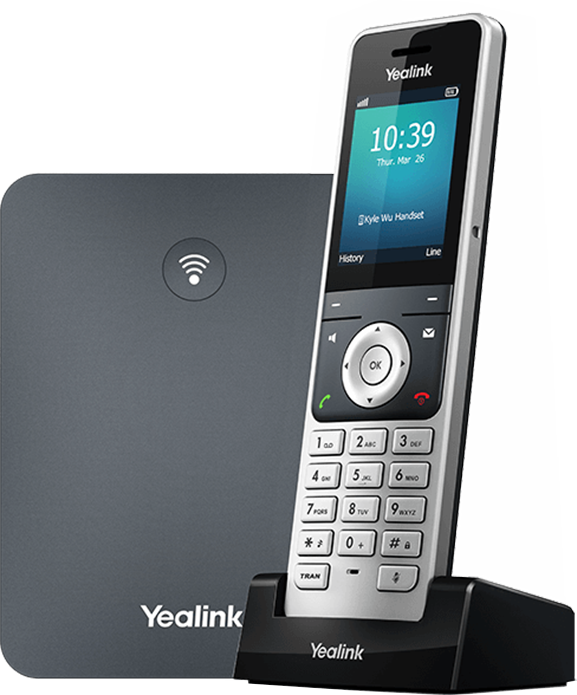
When Australian businesses search for a Telstra TIPT alternative, they’re looking for modern cloud voice capabilities without enterprise complexity. While TIPT serves large corporates well, businesses with 50 to 500 employees often find better value elsewhere. In fact, specialist providers like SIPcity deliver simpler pricing and more advanced features—particularly around AI capabilities. Therefore, this comprehensive guide explores why SIPcity has become the preferred Telstra TIPT and Telstra DOT alternative for Australian SMBs.
Understanding Telstra IP Telephony (TIPT)
Telstra IP Telephony is a cloud-based unified communications platform. It’s designed to help Australian businesses move away from traditional on-premises PBX hardware. Furthermore, the service provides voice calling across multiple devices and locations. This includes desk phones, softphones, mobile devices, and remote workers. Notably, it operates through Telstra’s IP network or standard internet connections.
Additionally, TIPT combines traditional telephony with collaboration tools through Webex integration. As a result, it offers voice, video, and messaging from a unified client. Moreover, the platform is delivered with geo-redundancy and encrypted traffic for security. Consequently, it’s backed by Telstra’s national infrastructure and enterprise-grade support.
TIPT’s Target Market and Positioning
TIPT is positioned primarily for larger organisations. Specifically, it targets multi-site corporates, government agencies, educational institutions, and enterprises. These organisations typically seek the combination of Telstra’s network presence and the Webex collaboration stack. For companies with hundreds or thousands of users, TIPT’s comprehensive feature set can make sense.
However, the value proposition changes for smaller organisations. For Australian businesses in the 50 to 500 employee range, it becomes less compelling. These businesses often don’t need enterprise-scale complexity. Nevertheless, they still require professional voice services, modern features, and responsive support. This is precisely where a Telstra TIPT alternative becomes attractive.
Key Limitations of TIPT for SMBs
Legacy Technology Foundation
TIPT carries the architectural DNA of traditional carrier-grade telephony systems. Whilst this brings reliability and proven technology, it also creates limitations. Specifically, businesses face challenges when they need rapid feature deployment. Similarly, they encounter constraints when wanting to leverage cutting-edge capabilities like AI-powered voice agents. Indeed, legacy platforms typically require longer development cycles. Furthermore, they demand more complex integration work than modern cloud-native solutions.
For Australian SMBs looking to future-proof their communications infrastructure, this architectural approach matters significantly. The question isn’t whether TIPT works—it clearly does. Rather, the question is whether it can adapt as quickly as modern businesses need.
Complex Pricing Structures
TIPT’s pricing model reflects its enterprise heritage. It includes multiple licensing tiers: Basic, Standard, and Executive. Additionally, there are numerous feature packs and add-ons. Consequently, the total cost of ownership becomes difficult to predict. Businesses might start with Basic packs for some users. Meanwhile, others receive Standard or Executive levels. Then they add Liberate for mobile integration. Furthermore, they include call centre capabilities, cloud recording, and Webex packs.
Each addition makes sense individually. However, together they create significant pricing complexity. This complexity requires careful ongoing management. For finance teams budgeting telecommunications costs across 50 to 500 employees, this introduces substantial administrative overhead. What appears as a competitive per-user price for basic features can escalate substantially. Specifically, costs increase once you add capabilities most modern businesses consider standard.
Enterprise-Focused Support Model
Telstra’s support structure is built for enterprise scale. Unfortunately, this can be challenging for mid-sized Australian businesses. When issues arise, you enter a support model designed for thousands of enterprise customers. These customers have diverse technical configurations. This means multi-tier escalation processes and detailed ticketing systems. Moreover, it involves timeframes calibrated for organisations with dedicated telecommunications managers.
For a 150-person business without full-time telecommunications specialists, this support model can feel overwhelming. The technical detail required for tickets can be extensive. Additionally, the escalation processes are complex. Furthermore, the enterprise-focused communication style may not align with SMB needs. In contrast, SMBs typically need direct, fast-moving support approaches.
Why Australian Businesses Need a Telstra TIPT Alternative
The combination of legacy architecture, complex pricing, and enterprise-focused support creates friction for growing Australian businesses. They need professional voice services without enterprise overhead. Additionally, they require modern features deployed quickly. Moreover, they want transparent pricing and direct support. Importantly, they need teams that understand SMB constraints.
This gap in the market is exactly what specialist providers address. Consequently, a Telstra TIPT alternative built specifically for Australian SMBs can deliver all necessary capabilities. Furthermore, it does this without the complexity businesses don’t need.
SIPcity: The Purpose-Built Telstra TIPT Alternative
SIPcity takes a fundamentally different approach as a Telstra TIPT alternative. Rather than bundling voice within a larger telecommunications empire, SIPcity focuses exclusively on one thing. Specifically, it delivers hosted voice and UCaaS for Australian SMBs. This specialisation makes a tangible difference. Indeed, it impacts features, pricing, and support significantly.
Built from the ground up as a cloud-native platform, SIPcity can deploy new features rapidly. Furthermore, it integrates modern capabilities without the architectural constraints of legacy systems. The platform’s contemporary foundation is important. As a result, businesses work with infrastructure designed specifically for today’s business communications needs. In contrast, it’s not adapted from decades-old telecommunications technology.
All-Inclusive Feature Set
Where TIPT charges per-feature with separate licensing tiers, SIPcity includes all Cloud PBX features as standard. These features include auto attendant, virtual receptionist, and call queues. Additionally, hunt groups, simultaneous ring, and follow-me routing are included. Furthermore, time-based and geo-based routing come standard. Importantly, voicemail-to-email comes with AI-powered transcription as a standard feature, not an add-on.
This isn’t just simpler pricing. Rather, it’s a fundamentally different philosophy about modern business phone systems. Consequently, Australian businesses get comprehensive capabilities without managing complex licensing matrices. Moreover, there are no unexpected additional costs.
Native AI Capabilities
This is where SIPcity diverges sharply as a Telstra TIPT alternative. While TIPT requires integrating third-party AI platforms, SIPcity takes a different approach. Specifically, TIPT needs integration through SIP trunking or Webex APIs. Typically, this involves partners like Dubber for transcription. In contrast, SIPcity builds AI directly into the platform.
SIPcity’s AI Voice Agents act as intelligent receptionists on your main number and website. They handle multi-language conversations effectively. Moreover, they use per-minute pricing rather than expensive platform add-ons. Additionally, these agents support retrieval-augmented generation (RAG). This allows each agent to load its own knowledge sources. For example, these include FAQs, PDFs, website content, and help centre articles. Consequently, they answer using that private corpus.
Unlike TIPT where SMS is handled through separate Telstra services, SIPcity’s AI agents work differently. They can send and react to SMS messages using your VoIP mobile number. This enables confirmations, reminders, and link sharing. Furthermore, it supports two-way follow-ups. The agents can write to CRMs and update calendars. Additionally, they interface with e-commerce systems, create tickets, and update bookings. As a result, they feed structured outcomes back into your business systems.
Flexible Connectivity
SIPcity works over any good business-grade internet connection. This includes NBN, Aussie Broadband, Superloop, or any provider you trust. There’s no requirement to use Telstra’s network. Similarly, you’re not locked into any specific carrier. In fact, SIPcity provides business internet services with the same NBN infrastructure as major carriers. However, if you’re happy with your current internet provider, simply add SIPcity’s voice services on top.
This flexibility is crucial for Australian businesses. Many have established relationships with internet providers. Others have multi-site operations across different carriers. As a Telstra TIPT alternative, SIPcity doesn’t force consolidation. Therefore, you don’t need to bundle everything under one telecommunications provider.
SMB-Focused Support
Rather than navigating enterprise-scale ticketing and multi-tier escalation, Australian businesses work with a support team that understands their specific needs. Specifically, this team focuses on 50 to 500 employee organisations. Support is direct and accessible. Moreover, it’s calibrated for businesses that need quick resolutions. In contrast, it’s not focused on enterprise-grade service level agreements.
When issues arise, you’re not entering a support structure designed for thousands of enterprise customers. Instead, you’re working with a team that recognises your business situation. They understand you don’t have dedicated telecommunications managers. Consequently, they provide straightforward, responsive assistance.
Practical Differences for Australian Businesses
When evaluating a Telstra TIPT alternative, the practical day-to-day differences matter significantly. They matter as much as the strategic considerations. For softphone functionality, TIPT offers Webex for Standard and Executive pack users. In contrast, SIPcity provides its own Web App. This includes calling, messaging, and video conferencing across all plans. Additionally, it includes mobile VoIP apps for iOS and Android.
For Microsoft Teams users, SIPcity offers native Teams Direct Routing. This brings SIPcity numbers and AI capabilities directly into Teams. Meanwhile, TIPT supports this through Telstra’s broader portfolio. However, it’s typically a separate integration project. Therefore, it’s not a built-in capability.
Mobile integration works differently too. TIPT’s Liberate add-on makes your mobile behave like an extension. It includes call handover between desk and mobile. On the other hand, SIPcity’s mobile apps plus SMS capability from an 04 mobile number work differently. Consequently, calls and SMS share the same business identity. Moreover, this requires no additional licensing.
Making the Switch from TIPT
For Australian businesses currently on TIPT who are exploring alternatives, the transition process is straightforward. SIPcity can port your existing numbers. Additionally, they configure call flows to match your current setup. Furthermore, they provide training for your team. Because SIPcity works over your existing internet connection, network changes aren’t necessary. Therefore, you don’t need to change network providers. Moreover, you avoid major infrastructure changes.
Many businesses use SIPcity as an overlay solution initially. They test the platform for a department or location first. Then they migrate entirely. Consequently, this reduces risk significantly. It also allows you to experience the difference in features, support, and pricing. Importantly, you do this before making a full commitment.
Is SIPcity the Right Telstra TIPT Alternative for Your Business?
If your organisation is a large multi-site corporate, government agency, or enterprise, TIPT may remain appropriate. Specifically, if you require Telstra’s network integration with Webex, TIPT might be the right choice. However, for Australian businesses with 50 to 500 employees, the situation differs. These businesses want comprehensive voice features and modern AI capabilities. Additionally, they need CRM integrations and Teams connectivity. Moreover, they want this without enterprise complexity and pricing. Therefore, SIPcity represents a compelling Telstra TIPT alternative.
As an Australian founded, owned, and run company, SIPcity understands the specific needs of local businesses. The platform delivers professional voice services with native AI capabilities. Furthermore, it offers flexible connectivity and straightforward pricing. Importantly, it doesn’t force you to migrate your entire telecommunications infrastructure. Consequently, you’re not locked into a single carrier.
The key is ensuring your chosen solution delivers the features your business actually needs. Additionally, it should offer a cost structure that makes sense for your size. Moreover, it needs flexibility to adapt as your business evolves. For many Australian SMBs, a purpose-built Telstra TIPT alternative like SIPcity represents the optimal balance. Indeed, it balances features, support, and value effectively.
Looking for a full head-to-head? Read our complete SIPcity vs Telstra comparison guide for the full side-by-side breakdown, including pricing, contract terms, support, and migration steps.